Introduction
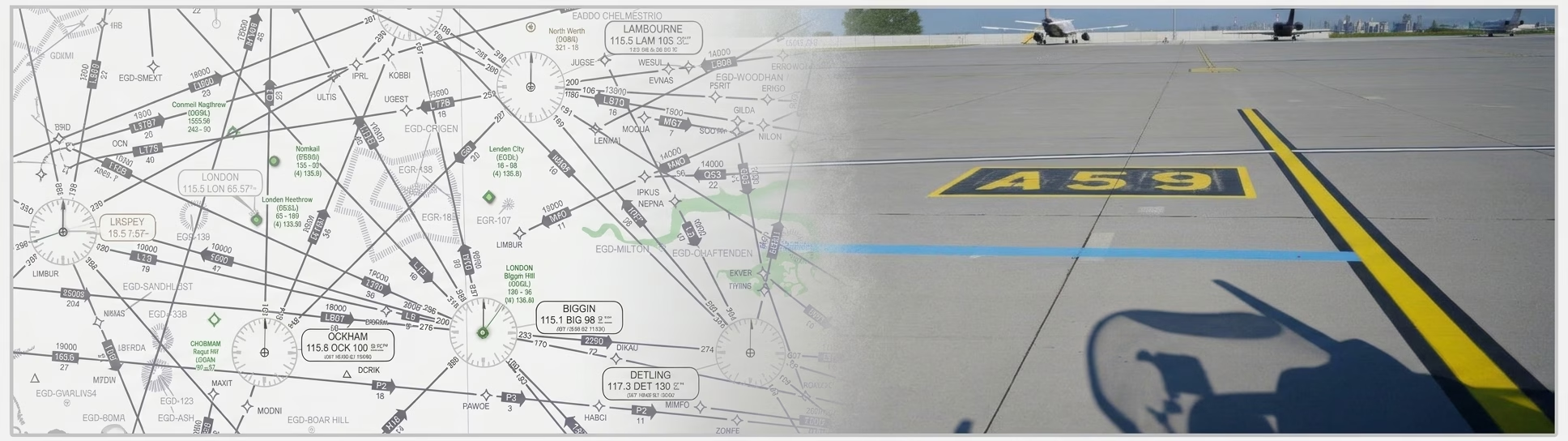
There are a few guides available online for IFR pilots, but most are written for ab initio training. Very few deal with the realities of single-pilot IFR, the complexity, the politics, and the practical workarounds. I’ve been flying for 16 years, five of them with an instrument rating. In the last few years, the combination of rising costs and what amount to stealth bans on light general aviation has pushed me to put together a practical resource based on my own experience.
Most of that experience has been in a non-FIKI, but very efficient Jet A1 turbocharged DA40, flying the lower airways with a portable oxygen cylinder. Routes have taken me into places like Amsterdam Schiphol, one of the busiest airports in the world, and across to Ibiza in the Balearic Sea. The aim has always been the same: get into the middle of things at a price that still makes sense for light GA. Reliable, current information is surprisingly hard to find, so this guide is comprehensive but not exhaustive. It draws on more than 250 hours of IFR in the European airways.
This guide is not an instruction or official documentation. It’s purely a personal reference point, drawing on publicly available information and common practices. Always consult a qualified flight instructor, your aircraft’s documentation, current regulations (e.g. UK CAA, EASA, Eurocontrol), and official sources for guidance appropriate to your experience, aircraft, and intended flight. Do not rely on this guide for operational decisions.
The IFR Journey
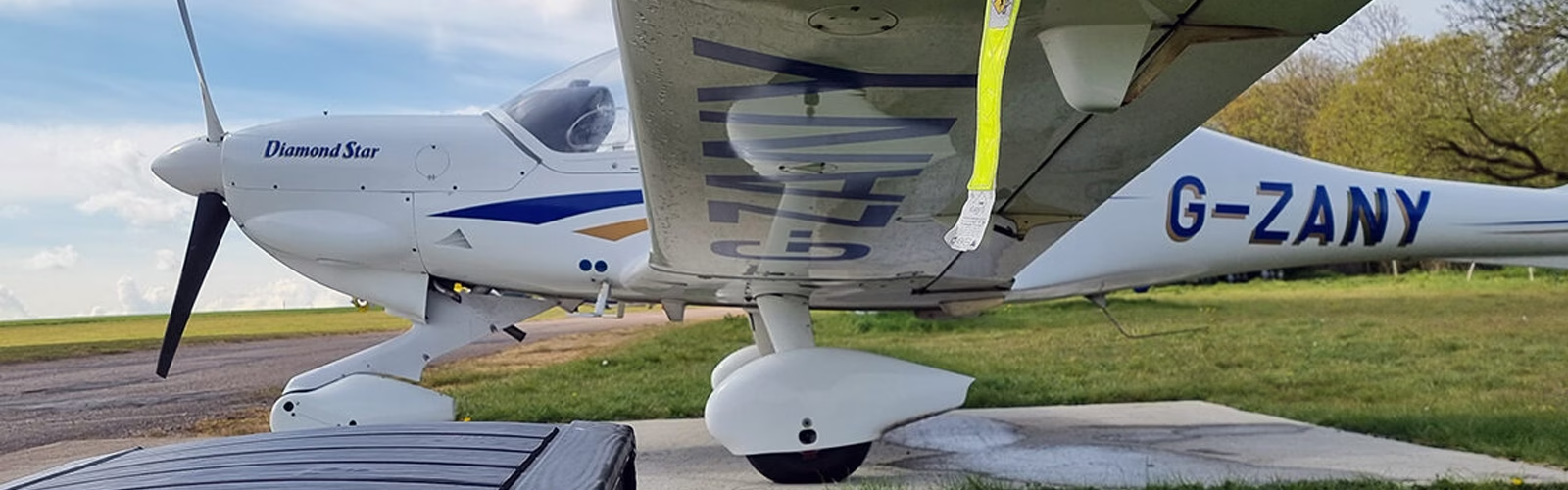
I published the full story of obtaining the Instrument Rating via the competency-based route in July 2021. It later appeared in the April 2022 Flyer Magazine.
The article covers learning the theory at an ATO, the FCL tests during COVID, and the delays that followed. It also describes what I did during lockdown to get up to speed on the new GTN Xi (one of the first fitted in a DA40) and the Aspen Pro Max, both of which needed proper study before the formal pre-ATO IR training started.
Weather and other delays meant the ATO phase took longer than planned. The write-up goes into the detail of the IRT itself, the costs, the hours required, and the application process.
IFR Flight Planning
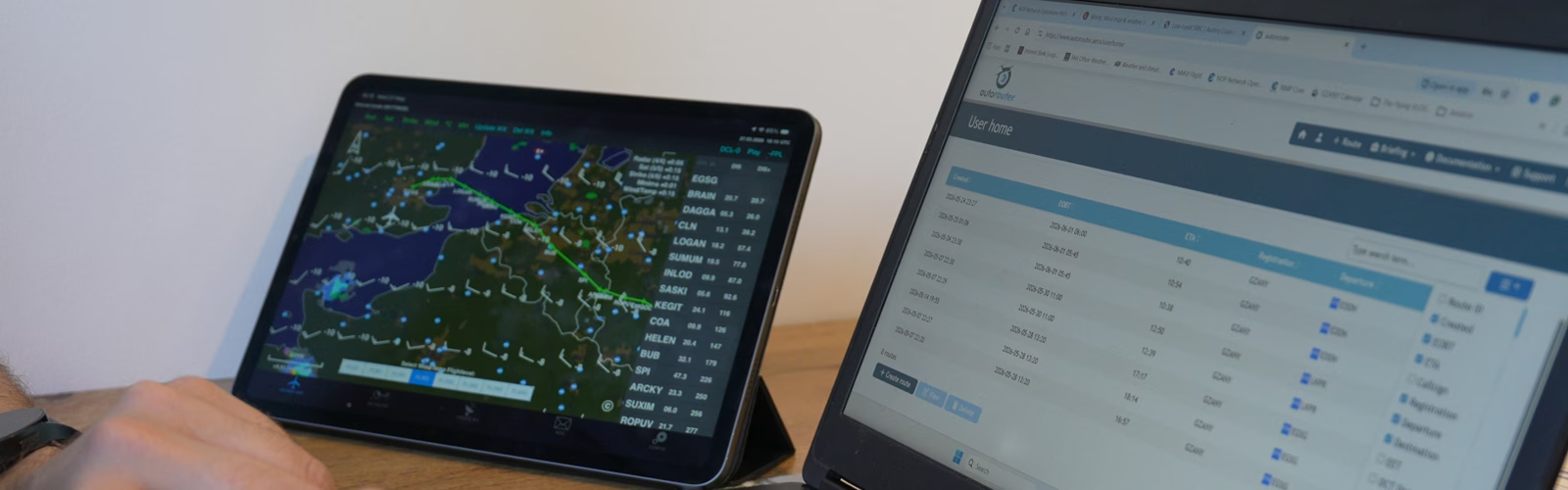
This section describes in great detail the steps I go through while preparing an IFR flight, using present electronic tools like Autorouter, CFMU, SkyDemon, and old-school paper PLOGs to build a complete pre-flight planning environment. I also discuss how, after a destination is chosen, handling and airport SLOTS can be obtained, as well as some of the unearthed hidden gems that not only make the process easier but also lessen the ever-escalating charges of attempting to stealth ban light GA.
This section does not contain any information or delve into the level of training provided in the theory examinations, such as en-route IFR procedures, including but not limited to NDB and VOR tracking, as well as an understanding of semicircular rules, quadrantal rules, MEA, and MSAs in pre-flight planning. It’s intended to provide a summary of the tools, tips, and hints that I successfully employ on my IFR flights. A separate IFR Weather Planning section is included below.
IFR Weather Planning
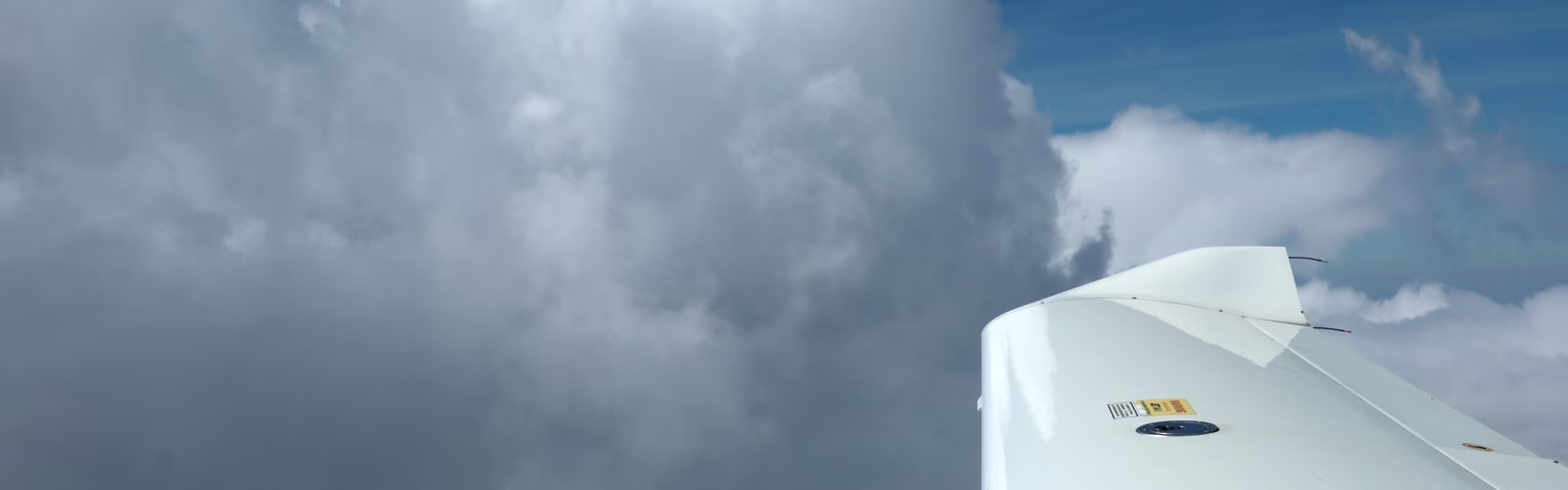
This section provides up-to-date resources of basic weather information, as well as locations to access detailed graphical charts to assist in decision-making during and after IFR flight planning has taken place. Aviation weather in flying involves critical factors like wind, visibility, turbulence, and icing and is a considerable factor in around 35% of GA accidents, with 75% of those being fatal. Adverse weather is a serious risk and accounts for a high number of accidents in General Aviation.
Instrument-rated (IR) pilots, whilst less frequently, still face risks often due to insufficient practice, poor planning or situational factors such as multiple weather elements beyond their flying skills. With poor decision-making, such as inadequate pre-flight weather briefings or low-quality sources, out-of-date forecasts are often a common risks that often cause accidents in General Aviation.
Golze In-Flight Weather

The Golze In-Flight Weather system represents a significant advancement in aviation technology, providing pilots with real-time, comprehensive weather data directly within the aircraft. This innovative system integrates seamlessly with existing cockpit instruments, offering instant access to critical weather information such as wind speed and direction, turbulence, icing conditions, and visibility metrics. Its intuitive interface allows pilots to make informed decisions swiftly, enhancing safety and operational efficiency during IFR flights. By delivering up-to-the-minute updates, the Golze system minimises the risks associated with adverse weather phenomena, ensuring that pilots maintain optimal situational awareness throughout their journey. This technology exemplifies the ongoing evolution of in-flight weather monitoring, contributing to safer and more reliable general aviation operations.
Implementing SOPs
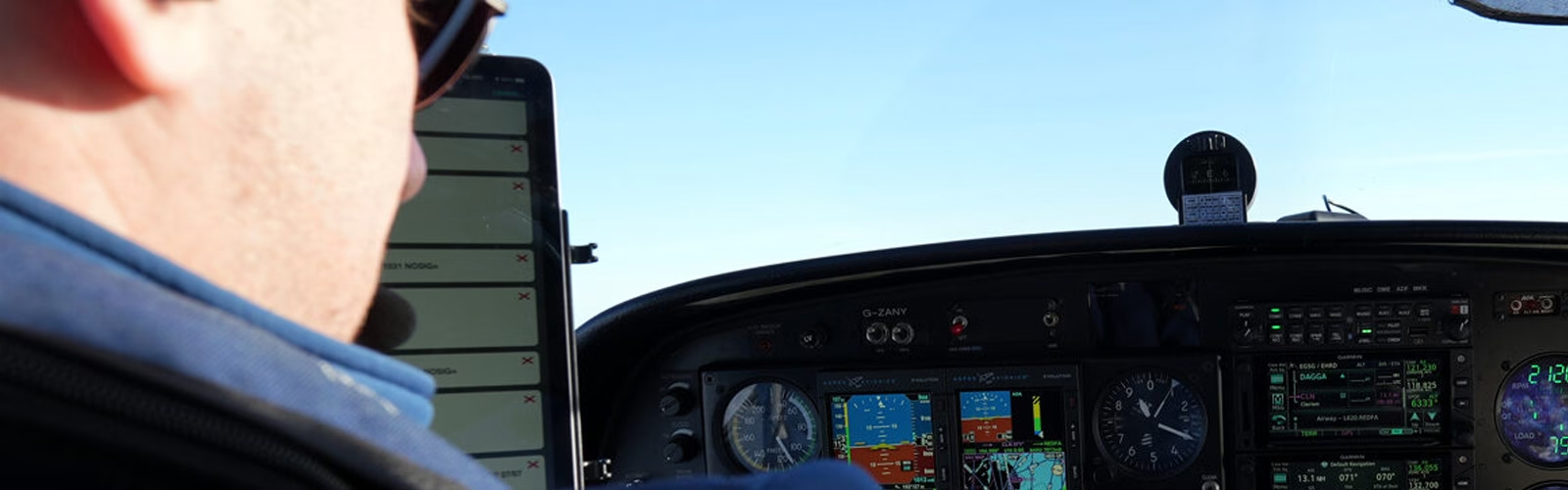
In this section, detailed guidance is provided on the development and implementation of Standard Operating Procedures (SOPs) tailored specifically for IFR operations. Emphasising the importance of consistency, safety, and efficiency, the content explores how well-structured SOPs serve as vital tools for pilots navigating complex flight environments. It covers best practices for creating comprehensive procedures that address pre-flight planning, in-flight decision-making, emergency protocols, and post-flight routines.
Additionally, the section highlights strategies for integrating SOPs into daily operations, ensuring they are practical, accessible, and regularly reviewed to adapt to evolving regulations and operational experiences. By adhering to these principles, pilots can enhance situational awareness, reduce risks, and foster a disciplined approach to IFR flying.
IFR Oxygen System
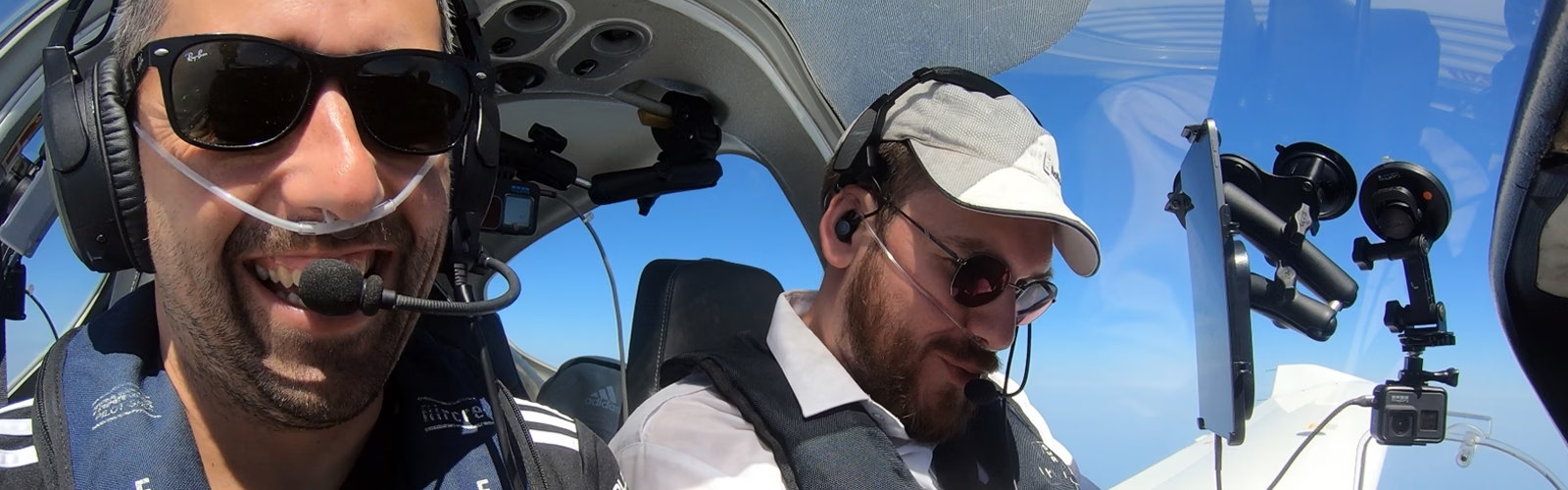
In this section, we cover the use of supplemental oxygen for IFR flying in unpressurised aircraft, focusing on the Mountain High (MH) EDS pulse-demand system. IFR often requires higher altitudes, where hypoxia risks rise sharply above 12,500 ft (mandatory after 30 min) and continuously above 14,000 ft, and the MH O2D2 delivers efficient, altitude-adjusted oxygen pulses only on inhalation, maximising cylinder duration while keeping pilots sharp and alert.
Beyond basic compliance, these systems enhance safety and performance on long IFR flights. Automatic altitude adjustment means no manual tweaks are required during climbs or descents, while nasal cannulas preserve clear headset communication, allowing for “set-it-and-forget-it” operation.
IFR Headset
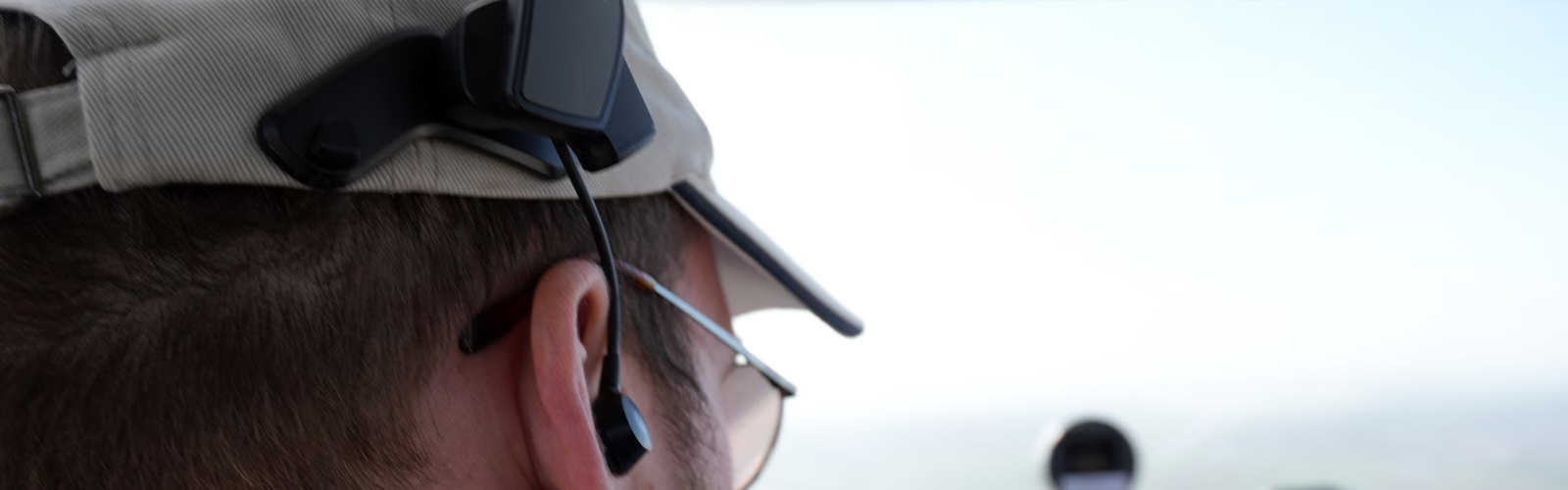
In this section, I examine how the Bose ProFlight Series 2 performs within the specific environment of a Diamond DA40 during IFR operations. While designed for quieter flight decks, the ProFlight’s lightweight, in-ear design significantly reduces pilot fatigue during high-workload instrument tasks. We’ll look at how its low-profile fit allows for seamless use of foggles and oxygen masks without the bulk of traditional over-ear headsets.
We also evaluate the effectiveness of the Bose ProFlight’s Active Noise Cancellation against the DA40’s Diesel engine. This “weightless” feeling, combined with high-fidelity audio, transforms the IFR experience by eliminating the clamping pressure common during long hours in an aircraft, which is why this headset is a game-changer for long-distance IFR comfort and clarity.
IFR EFB
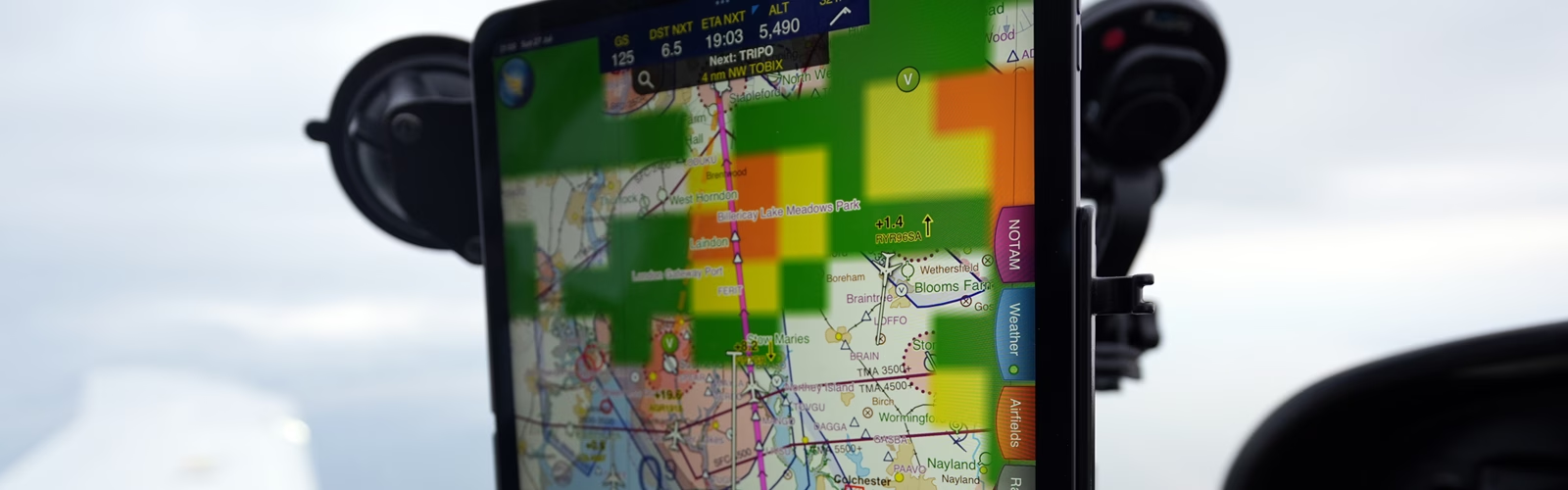
In this section, I discuss integrating the iPad Pro 2021 into a Diamond DA40 cockpit equipped with an EFIS. While the digital panel provides your primary data, the iPad acts as a high-performance hub for managing data-heavy applications like SkyDemon, ForeFlight, and Golze satellite weather. This iPad model is exceptionally fast, allowing you to toggle between complex vector maps and geo-referenced approach plates without the lag that can disrupt a tight IFR scan in IMC.
To secure the 11-inch display without interfering with the DA40’s centre stick, we use a RAM Mount suction mount with a double-socket arm attached to the pilot-side canopy. This placement keeps the iPad at eye level and within your peripheral scan while ensuring it doesn’t overheat. Despite the large bubble canopy, the 2021 Pro manages thermals efficiently; by positioning it near the side air vents, you ensure the screen won’t dim or shut down when using intensive applications on long IFR legs.
IFR Charts
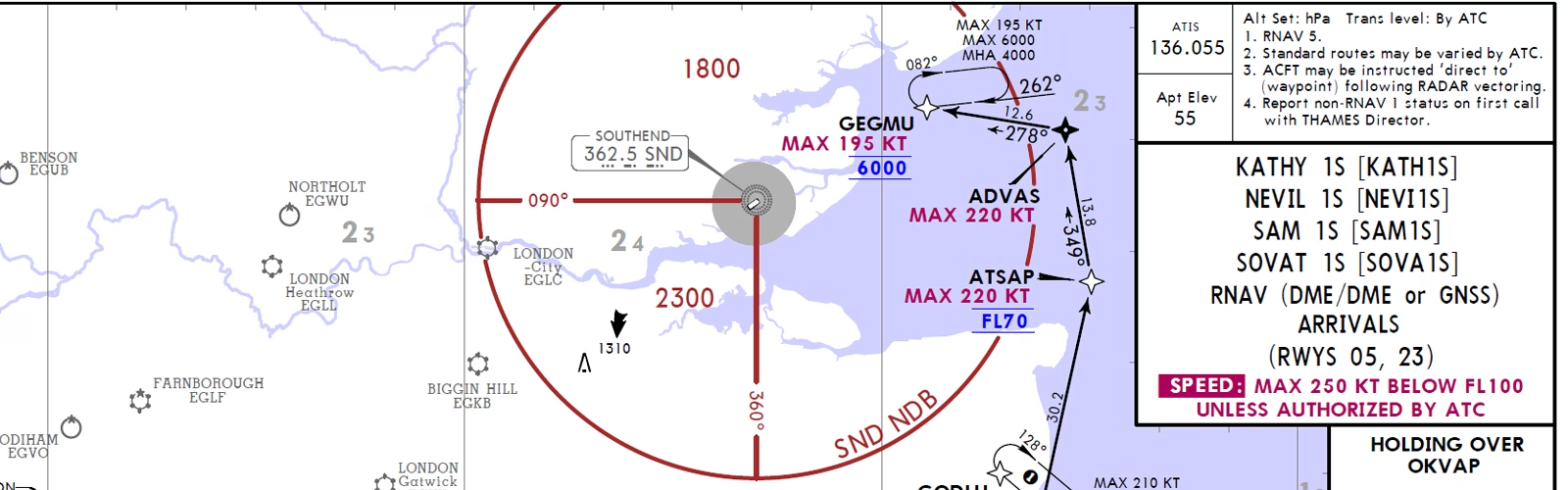
In this section of the IFR Guide to Europe, we examine the practical realities of obtaining and using instrument charts, approach plates, SIDs, STARs and related procedure data, when flying across multiple countries. Jeppesen remains the consistent, pilot-friendly commercial standard that many professional operators rely on, yet its cost and the limited true competition leave a large number of general-aviation pilots looking for workable alternatives.
The main workaround is the free official national AIPs (and the EFBs that already include them). These remove the subscription barrier but introduce country-by-country variations in layout, the need to derive minima from obstacle clearance heights, and extra administrative effort, challenges that are felt especially by Category A aircraft pilots who fly less frequently and on tighter budgets.
IFR Aircraft
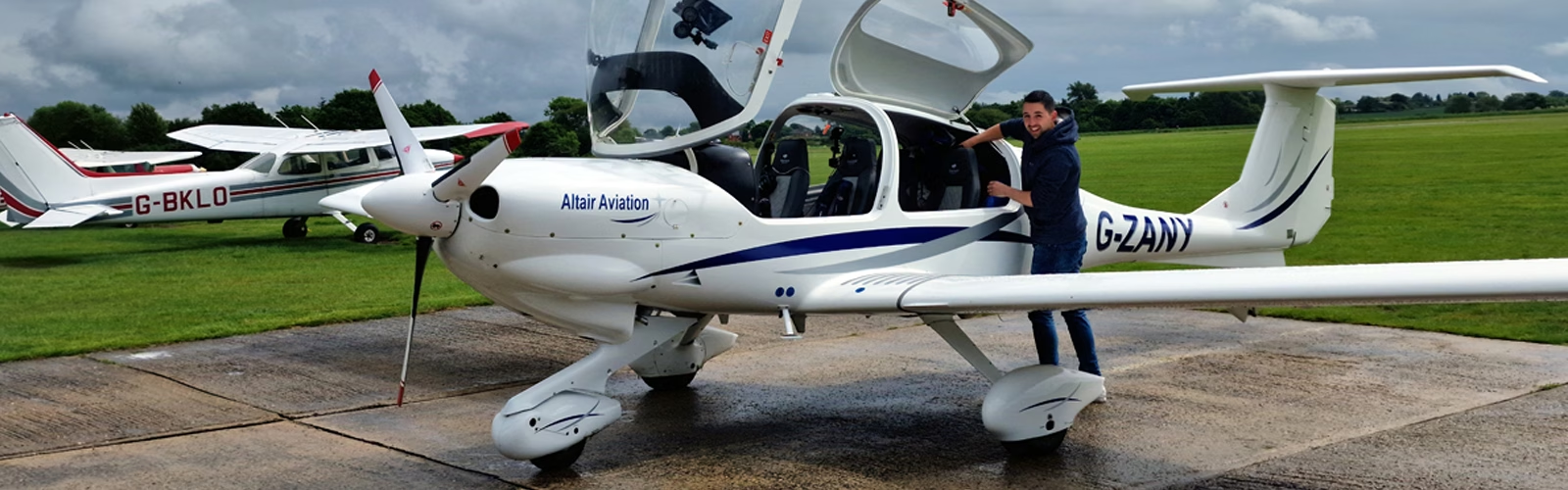
In this section, we examine the Diamond DA40 TDi as a specialised IFR platform, particularly when upgraded with the Aspen Evolution EFIS and Garmin GTN 650Xi. A key advantage of the TDi’s turbocharged engine is its ability to maintain performance up to FL160, giving you the flexibility to climb above icing or convective weather into smoother air.
The real strength of the TDi for long-range missions is its efficiency. With 41-gallon tanks and a fuel burn of just 4.5 to 5.5 gallons per hour, it provides a range of over 900 nautical miles. This efficiency offers incredible mission flexibility, allowing you to bypass weather systems or select distant alternates that would be unreachable in standard piston aircraft. The result is a stable, high-altitude cross-country machine that prioritises safety and economy.
The Key to Spain
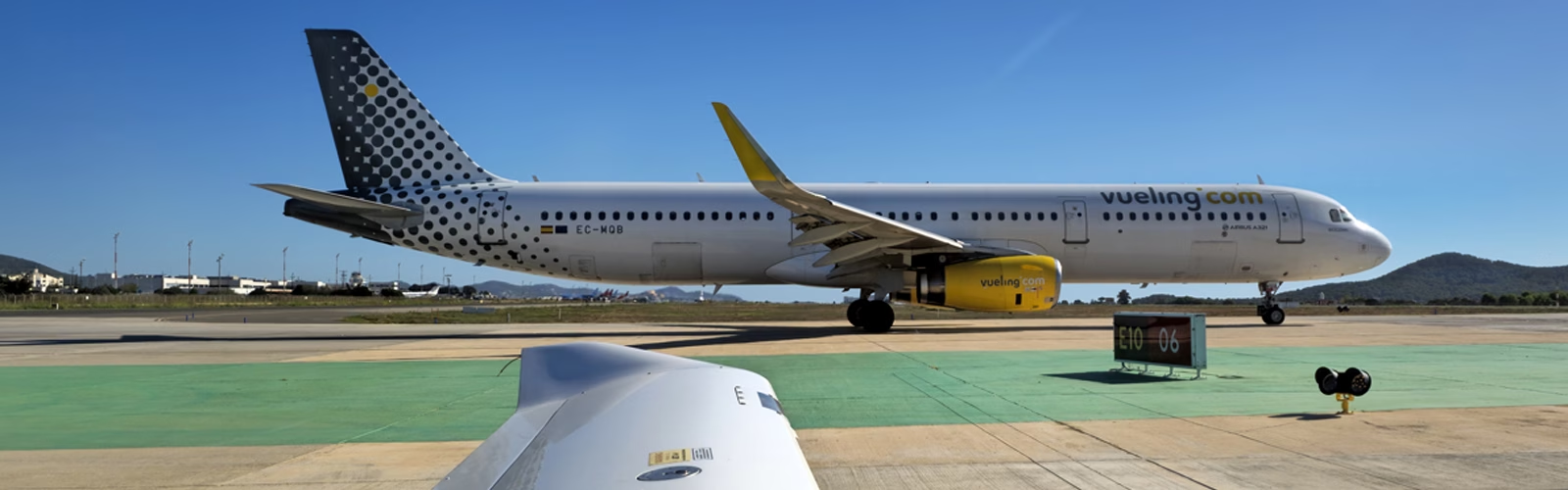
In this section, we explore a practical, low-budget approach to handling IFR (and VFR) flights into Spanish airports managed by AENA, sharing detailed guidance on minimising ground handling costs, often called “El Cheapo”, by requesting only the mandatory “Servicio De Acompañamiento” (minibus transfer) instead of expensive full-service handling, which can exceed €900 for single-engine piston aircraft.
This section covers essential steps like coordinating IFR slots through providers such as AECFA, contacting ramp agents and AROs via the AIP, obtaining quotes from AENA, and navigating challenges such as mandatory handler requirements, parking restrictions, security fees, and airport-specific limitations (e.g. bans on certain piston aircraft at busy hubs like Madrid or Barcelona). Drawing from real experiences at places like Ibiza, Girona, and Murcia, with costs as low as around €100–€150 in successful cases- offering tips, warnings, and resources for pilots aiming to fly affordably and legally in Spain.
Experiences
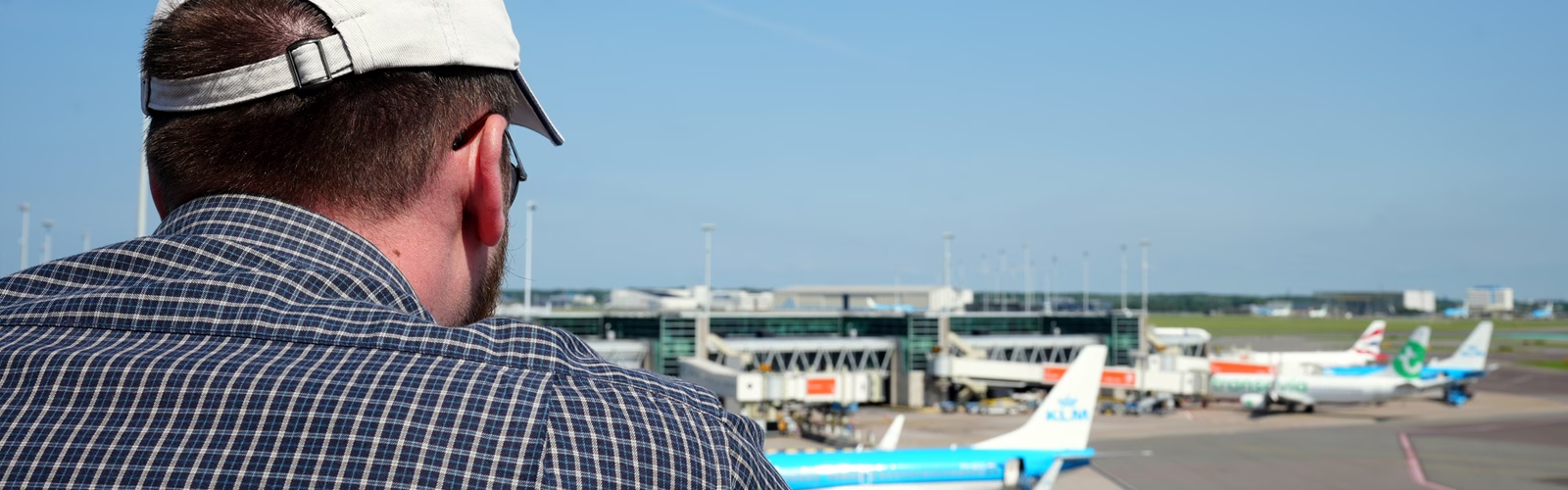
In this section, I share my experiences flying single-pilot IFR across Europe, bringing you into the cockpit through my YouTube vlogs. From navigating busy hubs like Amsterdam Schiphol to finding affordable ways into Ibiza, these posts go beyond the manuals to show the reality of GA travel. You’ll see how I manage the workload of flying solo, handling the radios, dodging weather in a non-FIKI aircraft, and navigating the complexities of the airways while the airliners fly right alongside.
My goal is to demystify the “stealth bans” and high costs of European flying by sharing practical tips and the mental strategies I use to stay ahead of the aircraft. Whether I’m managing oxygen at high altitudes or finding “hidden gem” airfields, these entries document the freedom and challenge of exploring the continent alone. It’s a resource for any pilot who wants to see how single-pilot IFR works in the real world, far beyond the initial flight training.
Supporting the YouTube Channel –

Support the YouTube Channel –
Welcome to The FLYING VLOG…
I am a current PPL(A), SEP (LAND), IR(A) SE/SP PBN, IR(R) & Night holder. Flying the world, exploring its hidden treasures. Taking pictures and vlogging the journey; I hope I can provide you with an oversight of my progression as I develop my skillset and airmanship in exclusive videos on my YouTube channel.
Now flying IFR in the Airways of Europe & beyond. Bringing you an exclusive niche to YouTube, flying in the same skies with commercial airliners.