
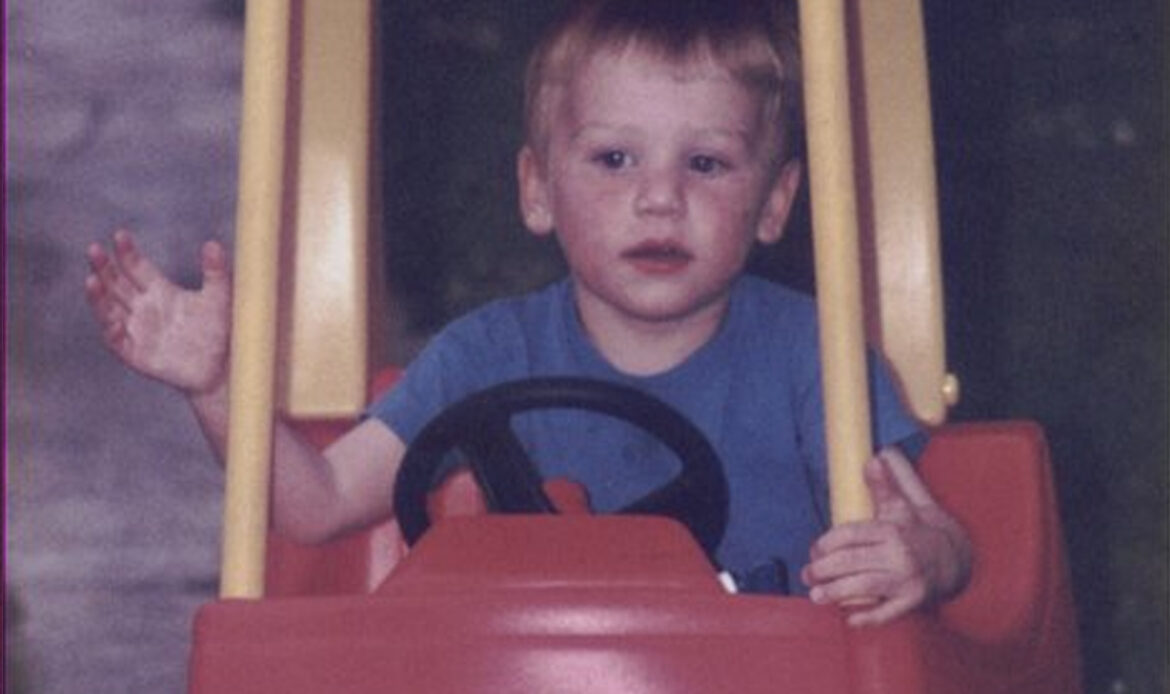
Growing Up with Concorde – The Spark That Lit the Fire
Growing up in South East London, I was lucky enough to witness one of the most breathtaking sights in aviation on a regular basis: the iconic Concorde gliding overhead on its final approach into London Heathrow. I was always a huge admirer of this technological marvel. Sleek, elegant, and utterly futuristic, Concorde wasn’t just an aeroplane; it was a symbol of British and French engineering brilliance. Developed jointly by the two nations, it became the world’s first (and only) supersonic passenger jet, cruising at twice the speed of sound and carrying its privileged passengers to the very edge of space.
For me, seeing that distinctive delta wing and hearing that unmistakable roar became a regular part of childhood. Every time it passed, I’d stop whatever I was doing and stare up in awe. Then, in 2003, both British Airways and Air France retired the aircraft on the same day. The simultaneous end of Concorde operations marked the close of a truly golden era in world aviation. For many, it was just the retirement of an ageing fleet. For me, it was something far more personal; it was the moment that inspired me to become a pilot.
That retirement lit a fire. It motivated me to work harder at school, to push myself academically, and to turn a childhood dream into reality. As soon as I completed my GCSEs, I began studying for my Private Pilot’s Licence (PPL). I started training as a complete beginner with zero hours in January 2010, flying under the old NPPL scheme in the UK. It wasn’t always easy, but that early passion, born from watching Concorde thunder across the London skies, kept me going. In November 2011, after around 45 hours of training, I passed my skills test and earned my NPPL. A few years later, I converted it to a full EASA PPL.
Looking back, Concorde didn’t just fly over my house; it flew straight into my future. Without that childhood inspiration and the emotional impact of its retirement, I’m not sure The Flying VLOG (or my life in the left seat) would exist today.
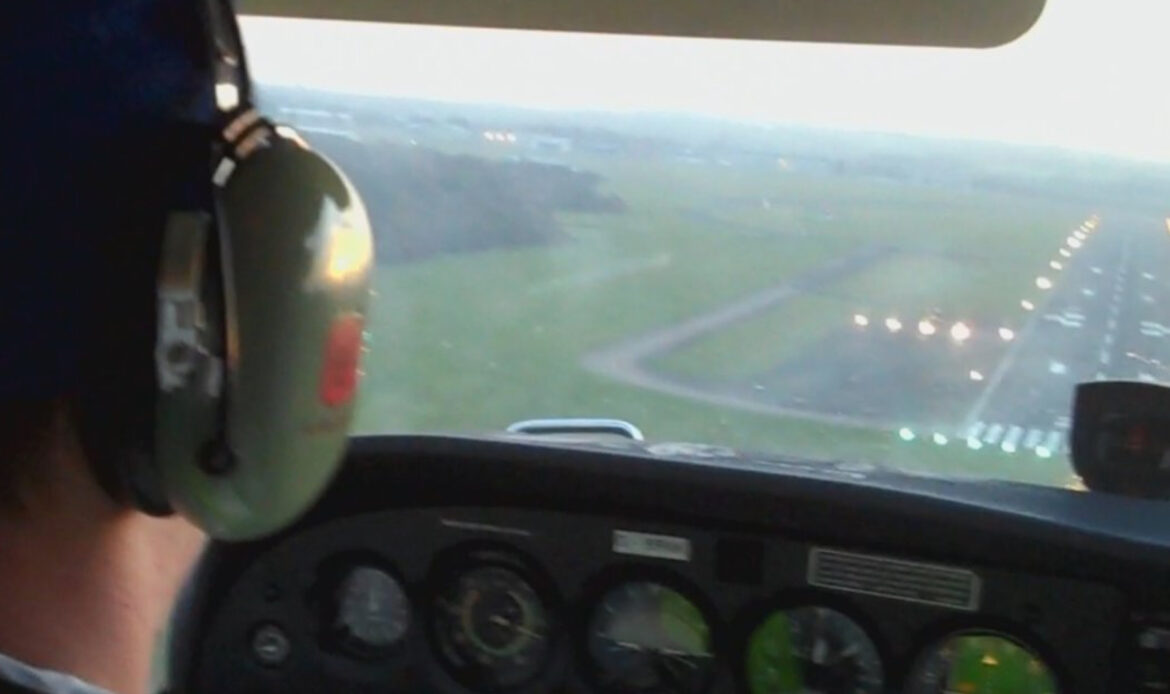
From Dream to First Solo – My Early Flying Journey
In January 2010, fresh from completing my GCSEs and fuelled by the inspiration of Concorde’s retirement, I took to the skies for my very first training flight at London Biggin Hill Airport with Alouette Flying Club.
Learning to fly while still at Sixth Form was no small challenge. Flying is an expensive passion, so alongside my full-time studies, I took on a part-time job to help cover the costs. There were inevitable delays, weather, scheduling conflicts, and the sheer demands of balancing everything, but on 8th April 2011, after building up my hours, I finally achieved my first solo flight.
From that moment, progress accelerated. I threw myself into the remaining training with real determination. I completed all the necessary theory exams while continuing to fly as often as I could, and on 17th November 2011, I passed my skills test.
Incredibly, I managed to complete the entire UK NPPL (National Private Pilot’s Licence) in the minimum possible time, all while holding down a part-time job and studying full-time at Sixth Form. It was a demanding period, but one filled with huge personal growth and unforgettable moments in the cockpit.
That early chapter at Biggin Hill laid the foundation for everything that followed. It taught me discipline, resilience, and the sheer joy of chasing a dream against the odds.
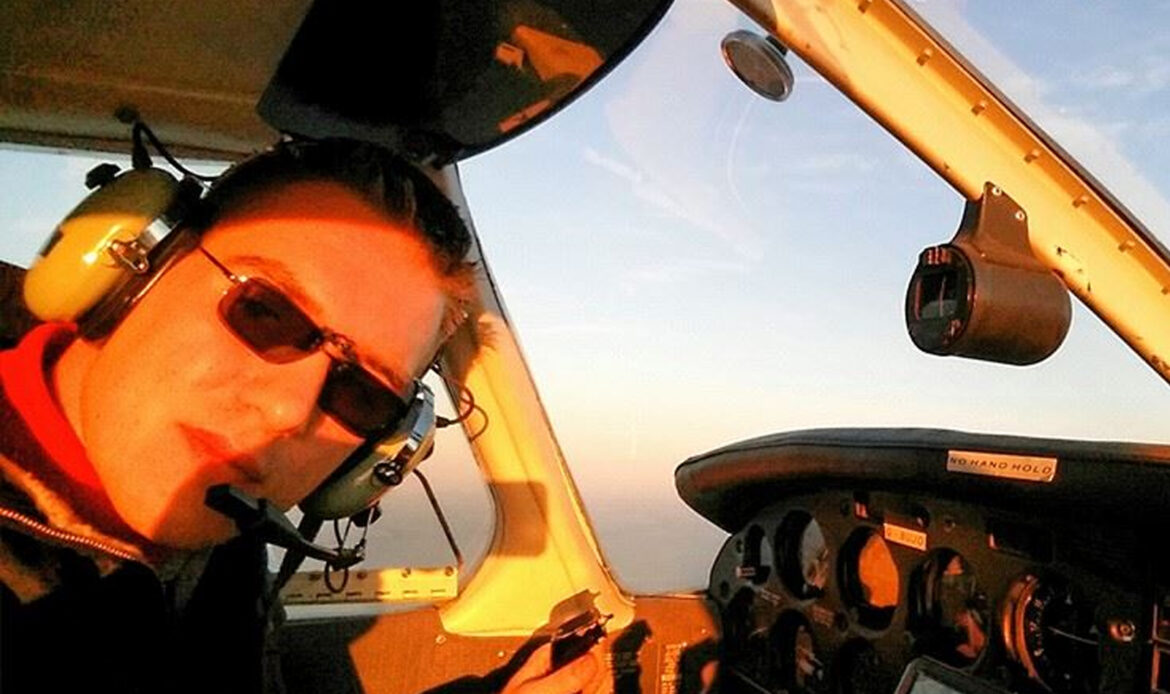
Stepping Up – From NPPL to EASA PPL and Instrument Flying
After several years of building experience flying the trusty Cessna 172 and Piper PA28, I decided it was time to take the next big step: converting my UK NPPL to a full EASA PPL.
This process involved jumping through quite a few hoops set by the CAA at Gatwick, extra paperwork, medical checks, and administrative requirements that felt endless at the time. But it was worth every bit of effort.
Once the conversion was complete, things moved quickly. In rapid succession, I added my Night Rating, followed immediately by training for the Instrument Rating Restricted (IR(R)).
I was fortunate to train under the guidance of a truly talented examiner, Ian Davidson, who was based at the club at the time. His patient instruction and high standards helped me rapidly develop the precise flying skills and cockpit discipline that would become the foundation, the real bread and butter, of all my future flying.
Those early instrument lessons marked a major turning point. They opened the door to a completely new way of flying: operating in controlled airspace, working with real ATC, and confidently handling weather that would have grounded me just a few years earlier.
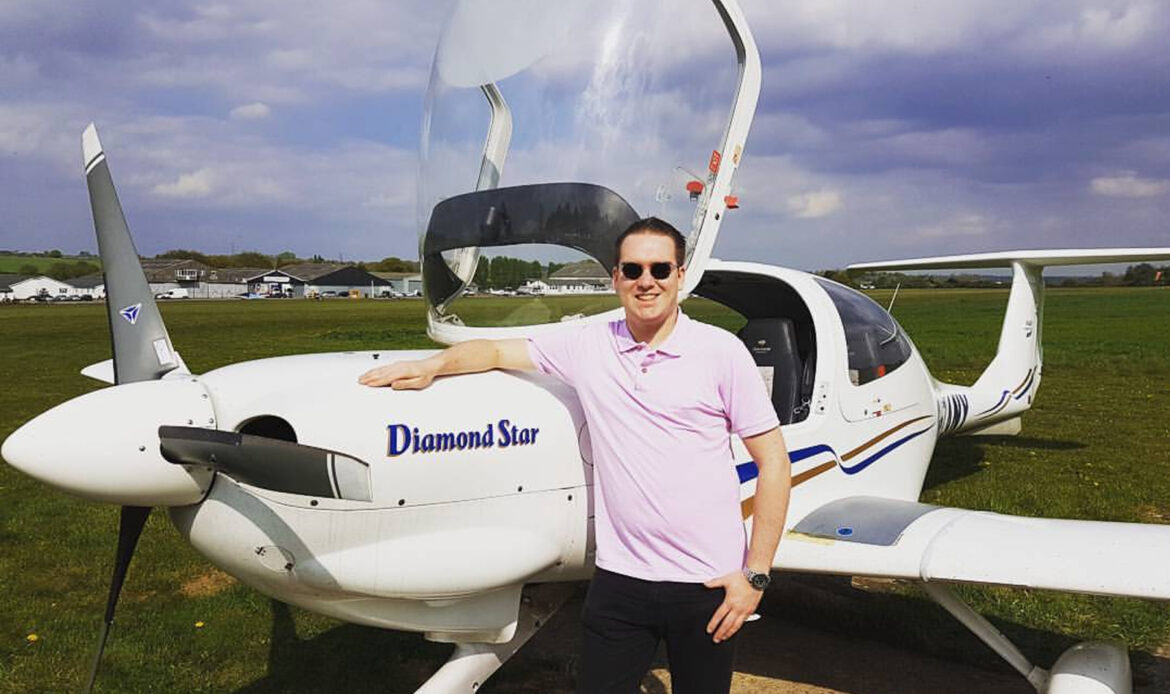
A New Chapter – Leaving the Club and Discovering the DA40
In 2017, after seven long and memorable years at Alouette Flying Club, I decided it was time for a change. I left the club and transferred around the M25 to join a non-equity group operating a Diamond DA40.
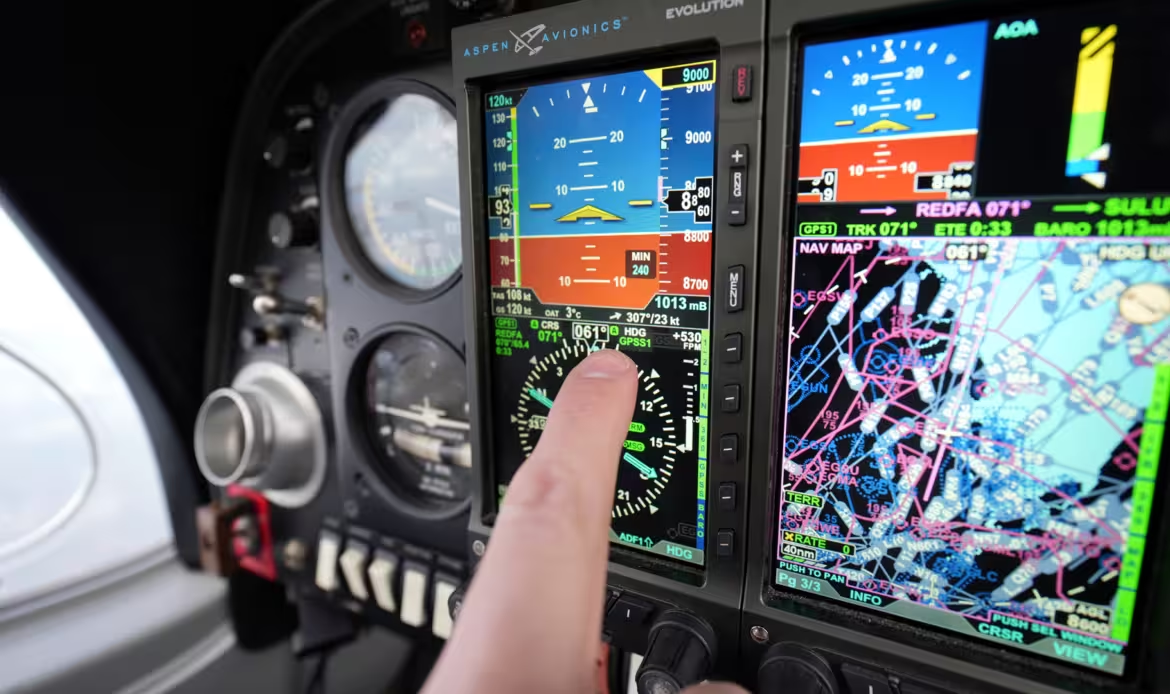
The DA40 proved to be a fantastic upgrade. Its modern glass cockpit, with a wide range of advanced instruments, made it ideal for IMC training and real-world instrument operations. Combined with its respectable cruise speed and long-range tanks, the aircraft offered excellent touring capability, exactly what I needed as my flying ambitions grew beyond local circuits.
That year became one of my busiest and most exciting yet. I flew more hours than ever before, pushing my skills and confidence further. Highlights included my first flight to France, a memorable first weekend away in a light aircraft to Newquay, and an intense IFR flying day to Jersey in the Channel Islands.
It was also in 2017 that I took the leap and launched The Flying VLOG on YouTube. What began as a simple way to document and share my cockpit adventures quickly evolved into a passion project dedicated to showing the real joys, challenges, and capabilities of General Aviation flying.
Achieving the Full Instrument Rating – A Long-Awaited Milestone
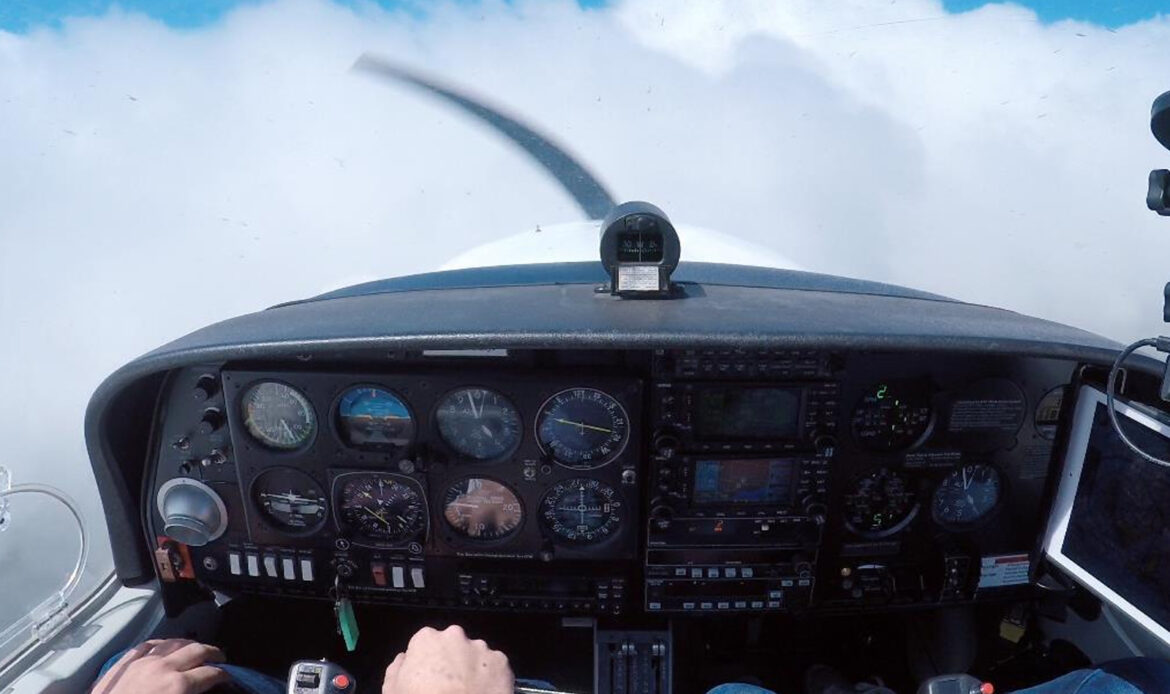
An uncomfortable flight back from France finally convinced me that it was time to upgrade from my restricted Instrument Rating (IR(R)) to the full Instrument Rating (IR). In 2021, after 11 years of flying and loving every single moment of it, I gained the full IR via the Competency-Based Route at Stapleford Aerodrome.
It was a goal I had started to wonder if I would ever achieve. The rating finally came, a full year later than I had originally hoped, but what an incredible journey it turned out to be. The path was filled with pressure: the demanding theory exams, the added challenges of training during the pandemic (including sitting in the CAA exam centre wearing a mask while sweating through the questions), and some truly demanding weather on the practical flying phase.
The weather, in particular, tested me in ways I never expected during the summer months. Conditions that felt frustrating at the time ultimately made the whole experience far more rewarding and built skills I still rely on today.
You can read the full story of my Journey to the IR on the dedicated page here on the website. The experience was also heavily featured in the April 2022 edition of Flyer Magazine.
Life After the IR – Expanding Horizons
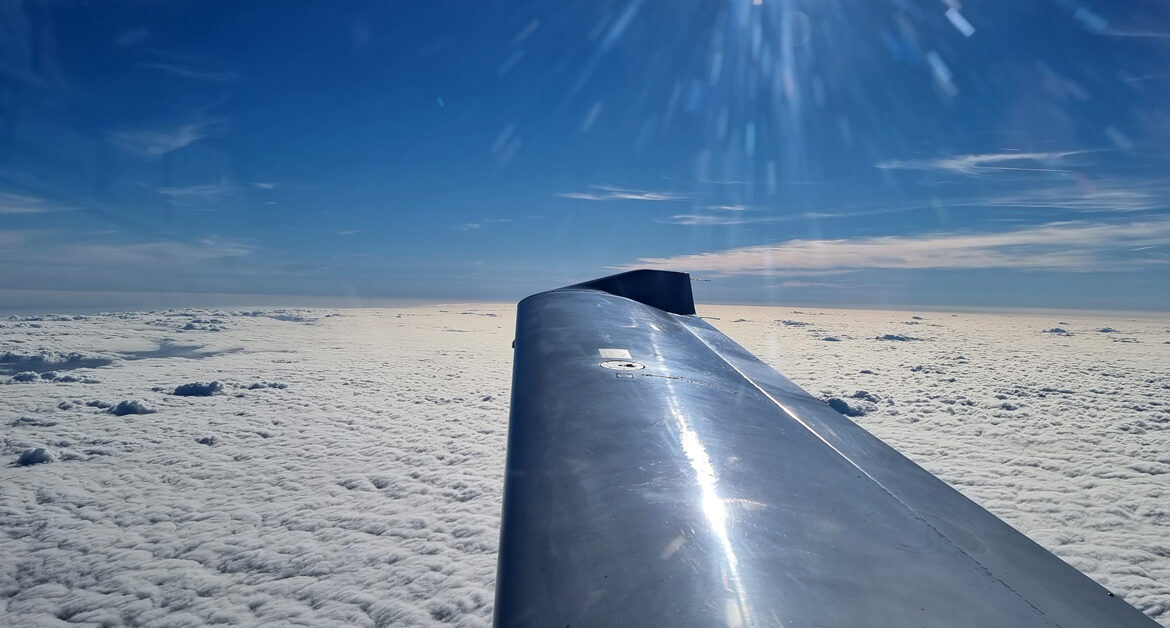
Since completing the full Instrument Rating in 2021, my flying has taken on a whole new dimension. I have logged over 500 hours in that time, along with well over 500 landings, while exploring a growing list of destinations across Europe. So far, I’ve had the pleasure of flying to Belgium, the Czech Republic, France, Germany, the Netherlands, Slovakia, Switzerland and Spain. Each trip has brought new challenges, stunning views, and memorable moments, from busy international airports to charming grass strips, and everything in between.
These flights have reinforced just how capable a well-equipped light aircraft can be when flown with proper planning and a solid instrument foundation. The IR didn’t just open doors; it completely changed the way I experience General Aviation.
It all began with that first international flight to Düsseldorf, flown solo without any passengers. That trip became a defining moment, the moment I truly started to understand what it means to be a real pilot: qualified, capable, and driven by a deep wanderlust to explore the world from the left seat of a light aircraft.

Creating IR Content
One of the main reasons I pushed so hard to achieve the full Instrument Rating was my desire to create authentic, high-quality IFR content for The Flying VLOG. I wanted to show viewers the real-world side of instrument flying in a light aircraft, not just simulator sessions or simplified explanations, but actual flights in busy European airspace, working with real ATC, filing proper IFR flight plans, and dealing with the challenges and rewards that come with it. Since gaining the IR, a large portion of my video output has focused on these instrument operations, helping to fill a noticeable gap in GA YouTube content.
Over the last five years, creating content for The Flying VLOG on YouTube has been one of the most rewarding yet challenging parts of my flying journey. It’s been tough at times, balancing flying, editing, writing, and real life while trying to produce high-quality cockpit videos. Getting content consistently into the public domain has been harder than I expected, but I remain determined to find the best way to share these adventures, especially the IFR ones, with millions rather than just thousands.
My goal has always been to show fellow pilots, aspiring aviators, and aviation enthusiasts what’s truly possible in a light aircraft when you combine passion, skill, and proper instrument capability.
Looking Ahead – The Bright Future of The Flying VLOG
The future of The Flying VLOG is a bright one.
I’m excited to evolve the channel by making the vlogs more story-driven as a whole, moving beyond pure cockpit footage to richer, more immersive narratives that capture the full adventure of each flight. My aim is to step outside the current niche and reach a much wider audience, not to chase fame or fortune, but to inspire as many people as possible by showing what’s truly possible in General Aviation, even if it sometimes feels impossible.
With planned upgrades to filming equipment and a continued focus on improving the overall quality of the content, I’m confident the best chapters of The Flying VLOG are still ahead.
Whether you’re a fellow pilot, a student working towards your ratings, or simply someone who dreams of seeing the world from above, I hope these stories will encourage you to keep chasing your own aviation dreams.
Read more via the Frequently Asked Questions