
Introduction
Perhaps it’s the sunny beaches, great food, and unforgettable parties. Maybe it’s the challenge of a long flight across multiple countries, involving a variety of weather systems, local policies and procedures. Whatever it is, it will get you coming back for another flight to Ibiza.
This is exactly what Robbie’s done on this trip, a second GA flight to and from Ibiza, following his first in 2023, but this time with a whole new set of conditions and challenges ahead, as well as me packed into the right seat beside him.
I’ll introduce myself briefly: My name is Vanessa, you might have spotted me in some of the more recent videos accompanying Robbie on his trips or providing my stall warner testing expertise to support with pre-flight. A lover of taking on challenges, I am training towards a private pilot’s license alongside being Robbie’s girlfriend.
While I won’t quite be able to match Robbie’s expertise and charm, I hope my contribution will provide you with an enjoyable read, telling you about this flight from a different perspective.

Planning
The process of preparing for this trip began well ahead of time, with setting the dates of travel, planning a first draft of the route and where we’d be staying. Then, of course, this also included planning what we’d be doing once we’re there.
In terms of flying, important factors to consider early on included endurance, given that we would be taking a relatively heavy aircraft across a long distance, and studying the local weather conditions, for which the area around the Pyrenees is well known.
Robbie had planned the route to and from Ibiza in two sectors, separated by a stop in Montpellier for fuel. Given our work schedules on the day we would start this journey, Robbie also planned a night stop at Montpellier. This would allow for some rest and for the flight over the Mediterranean to be carried out in daytime.
The Journey to Ibiza
Leg 1 EGSG- LFMT
The days ahead of the journey were stretched by a feeling of excitement and anticipation as we frequently checked the latest weather models to build a mental picture of what lay ahead of us. Once the long-awaited Friday morning had finally arrived, we were greeted by a blue sky dotted with the occasional fluffy cloud, the type of view that beckons you in to fly.
I still had a shift to finish, typing in figures into a spreadsheet (how fun), while Robbie got a head start on preparing the aircraft and loading up some of the equipment and bags, despite my numerous pleas to let me tag along and enjoy a little time out in the sun.
At last, I had finally typed the spreadsheets into submission and grabbed my own bag to race off to Stapleford, where, to Robbie’s displeasure, I arrived on time. Not something that I took personally, as I too was aware of the forecasted worsening weather conditions for the later afternoon. Small little cumulus clouds were beginning to bubble up into larger shapes, hinting at the possible turbulence that could be encountered within and that would be worsening with time.
We loaded up my bag and had a final look over the aircraft. Everything looked good to go, and after some pushing and pulling, the aircraft was free from the small dent the nosewheel had dug into the ground below.
The DA40 was fairly heavy in this state, carrying four tanks full of fuel, a good amount of luggage and a set of frankly massive traffic cones, which were essential to dodging Ibiza’s steep handling fees. This all accumulated into a factor that played largely into the length of the take-off roll, noticeably extending the distance from the usual as we accelerated down the grass runway to get airborne.
Low-level turns on the way out of the ATZ allowed for an opportunity to get a feel for the controls following some recent maintenance, which were stiffer than before. I remember Robbie commented on this positively, finding that it gives him more precise control. Having had a quick go on the aircraft myself sometime later, I find that assessment ridiculous and longed for the spongey controls of my usual flying washing machine.
As we approached 2400ft, 100ft below the London TMA, we anticipated the autopilot’s tendency to overshoot and stopped the climb to level off at the correct altitude. The reason for this is a slight difference between the two altimeters: The autopilot reads the pressure off the standby altimeter, which slightly underreads, within certified limits, giving an erroneously low altitude indication to the autopilot.
Correctly levelled off outside of controlled airspace as instructed, we sat at 2400ft for a while until we received further climb instructions and were cleared up into the airways. On reviewing the latest winds, it quickly became clear that the originally filed FL150 would not benefit us, as our ground speed would be reduced. Robbie requested to level off at FL130 instead, and the aircraft quickly showed its gratitude for this decision through a slight reduction in coolant temperature, after being pushed for what climb performance it could manage within its heavy state and the hot summer air.


Now settled into a comfortable cruise at a TAS of 130 kts, it was time to start re-assessing the route and weather ahead. With it being summer and the air being fairly unstable, towering cumulus clouds were seemingly popping up in no time, growing quickly around us. On the iPad, the “Weather radar”, i.e. the Golze weather system, showed a band of weather further along the route which we would have to deal with soon.
As we approached this area, impressive cumulonimbus clouds came into view, and with those being nice and isolated, it took little more than asking for a new heading to stay clear of trouble. Yet, these clouds were already powerful in their early stage, and even having given them a wide berth, the outflow caused the aircraft to bump lightly through the air.
The controller we were in contact with offered to get us back on track. She suggested a radar heading back towards our route, and we begrudgingly had to decline, as it would route us through a narrow gap in-between two CBs. Accepting the additional distance we would need to travel, we continued on the same track to avoid the weather, looking out at the clouds through the window and watching the aforementioned gap slowly grow smaller. A view that reassured us that this had been the right decision.


Finally clear of the weather, we were eager to get back on our planned route. Something we wouldn’t be fortunate enough to do just yet, as we had ended up on the wrong side of an area of restricted airspace.
Without a clearance through it, we were now led down an even longer diversion, and I watched Robbie’s expression turn more thoughtful as he looked over the endurance figures again. Not having much familiarity with the aircraft’s performance and fuel consumption myself, the realisation that there wouldn’t be lots of spare fuel left after landing began to slowly sink in, and I asked about how this extra flight time would affect us.
We were fine for now, with sufficient fuel to complete the rest of the trip and to maintain reserves. But any further deviations from the planned route would be putting us closer and closer to the point of diversion, and the weather that was now coming into view ahead of us made this very much a possible scenario.
A layered band of cloud was lying across France, and a decision needed to be made as to whether to fly over or underneath it. Climbing sufficiently to go over the weather would burn more fuel, and the risk of having to divert due to running too low would be higher. Flying under the weather would allow us to cruise more efficiently; however, it would be more difficult to navigate past CBs embedded within the layer above.
Reviewing all data available and working through a couple of possible scenarios, Robbie made a decision to descend below the layers of cloud. Some gaps within it would still allow us to climb back into VMC, should the layer come down towards the other end. The clear weather below would also allow for a landing at an alternate, should weather not allow for safe flight to continue.

With the speed for best range set, Robbie requested a descent to FL120 in order to avoid entering a layer of stratus cloud, which was posing an icing risk. Further descent was needed to remain clear of cloud, and so we descended to FL110, where we remained for a good while and made several heading alterations to weave through the cells ahead.
As we turned to and from the planned track, we became more and more aware of the slowly increasing urgency of the fuel situation. We worked together to identify the weather for which we would need to deviate and to continuously check what exit routes were available to us, ensuring that should there be no more way out to the left or right, we could still climb or descend out of the weather.
Despite the hot summer temperatures on the ground when we took off, the later evening air at this altitude was still very much within the temperature range where icing becomes a significant consideration for an aircraft without anti- or de-icing capabilities. Beyond this, the possible cumulonimbus clouds embedded within the layers would additionally contain strong windshear, heavy precipitation and possibly even hail and lightning. It’s a good reminder that even with an IR, there’s no reason to force flight in cloud, and we were thankful to be visual with the situation around us as the aircraft was being bumped from side to side.
Finally, the clouds began to thin out, and more and more sky became visible again above us. The sun, now sitting low on the horizon, coloured the remaining clouds in spectacular shades of red and gold. But there was little time to take in the sights, as the priority was to reassess the rest of the route, particularly given that the fuel level had now become very tight.
More convective cloud was moving into France from over the Pyrenees, and knowing that we would be arriving at Montpellier some time after sunset, this was something we needed to either beat or avoid within a good time. Calculating our ETA overhead the alternates, as well as estimating the time when the weather system would reach them, it became clear that the originally planned alternate at Girona would no longer be an option. Two other alternates would remain available and within reach based on calculations, which were Avignon and Béziers. With this in mind, Robbie prepared for a variety of possible scenarios and diversions.
There was also a section of military airspace that separated us from Montpellier, something which we might be able to cross if cleared to do so. Knowing that we had reached a point where a missed approach into Montpellier, followed by a diversion to an alternate, could lead us to land on minimum fuel, the urgency of making it to Montpellier without any further delay was very clear to us.
Thankfully, this military airspace was not active, and we were able to cross it. With it lying outside of controlled airspace, this required us to maintain our own separation from other traffic until we re-joined CAS later on. Before leaving CAS, Robbie had made the controller aware of the fuel situation, and despite not declaring an urgency or emergency, they were prompt to offer further assistance. Although the conversation around this was brief, it still put us more at ease. Air Traffic Controllers, FISOs and radio operators have the wonderful ability to give you a sense that you’ve got another crew member right there with you. While our situation did not warrant a PAN or emergency call, it was clear that the controllers were prepared and ahead of the game, should the situation develop into one requiring further assistance.
As we crossed the deactivated area of military airspace, I squinted into the setting darkness beyond the window, helping to look for traffic, with slight disappointment not to see the highly powerful aircraft that normally buzz through this area during hours of operation.
Finally, pressure began to ease as we identified the lights of Montpellier along the coast and traced them to the airport. Clear of clouds and with sufficient fuel remaining, our confidence in a successful arrival grew.

We had gathered from earlier NOTAMs that the approach lighting would be unavailable, which we confirmed was still the case through obtaining the latest ATIS. This could be challenging at night, particularly with the high amount of distracting lights from the surrounding city. There was also a NOTAM regarding increased bird activity; however, fortunately, in the nighttime, it was already past most avian bedtime.
Finishing the flight off with a very nice touchdown at Montpellier (I was not forced to write this, I promise), Robbie taxied over to the GA apron, and we wasted no time in requesting a fuel truck so that the aircraft would be ready for the morning. We had a hotel room booked just a short walk from the airport and eagerly made our way over there with the overnight bag we had prepared for this short break ahead of time. We were hungry and sweaty, and this needed instant remedying.
As we had arrived fairly late in the evening, there were few restaurants left within walking distance. To beat the weather to Ibiza, the intention was to be up again bright and early, and so we were intent on not wasting too much time looking for somewhere to eat. The most reasonable option we could find without the need to arrange a taxi was a nearby McDonald’s.
The roughly 30-minute walk provided a very welcome opportunity to stretch our legs after the flight, although this was much more welcome on the way out to McDonald’s rather than the way back to the hotel, as the exhaustion from a long day hit heavy after eating dinner.
ATC Flight plan and route flown –
N0130F110 LAM L10 RINTI/N0126F150 B3 VATRI/N0128F150 G40 ARSIL B13 SOMDA A6 LUXAN/N0128F150 A6 MTL/N0124F150 DCT MOLEN DCT NG
Filed ATC flight plan for EGSG-LFMT

Leg 2: LFMT to LEIB
We got a good night’s sleep at the hotel and felt refreshed as we got ready to head back to the airport. When we made the plans for this overnight stay, we considered getting breakfast at the hotel since we otherwise wouldn’t have an opportunity to eat until much later in the day. So, as we checked in, we asked politely how much this would cost, and at hearing €9 each, made an instantaneous decision to stop by a petrol garage we had walked past earlier instead. Having a quick look over at the breakfast buffet in the morning solidified this decision, and so we got ourselves a surprisingly nice fresh pastry and hot coffee for the walk.
Now fully awake, we entered the general aviation office and passed through security. Having had another look at the weather en route before heading out, we knew that any time lost would make the flight more difficult. Knowing this early allowed us to make a decision to be efficient with the pre-flight and not to waste time chatting at the GA, preventing an uninformed and rushed take-off.
We were soon fully ready and departed Montpellier in the early morning sun to head towards Ibiza. Soon after departure, we were given a different waypoint to continue towards than originally planned. This happened to put us nicely out of the way of some weather that had developed near the airfield and allowed us to continue in visual conditions, something we were grateful for as the cloud in the area provided helpful visual cues on where turbulence could be found. With the new route bringing us closer towards the Pyrenees, this became especially important due to the turbulent airflow that can be found around the high terrain.


The atmosphere in the aircraft was relaxed, although a bit quieter than usual. For myself, I only had a vague idea of what to expect around this type of terrain, but not being able to associate it with any experiences allowed for a slightly apprehensive feeling to sneak into the back of my mind as the aircraft began to gently bob through the air.
If there is one thing we didn’t want to underestimate, it was the impact the Pyrenees could have on the flying conditions. Effects such as mountain waves could cause significant turbulence, and convective weather could form near it at rapid speeds. In the cloud, we could encounter a risk of icing, even if the temperatures were above freezing.
In addition to the briefing before departure, these conditions were a topic of discussion for us already well ahead of the flight. This conversation wasn’t just limited to between ourselves, but we were also involving other pilots, who were happy to share their thoughts and, for some, even their own experience on these local conditions.
Being well informed allows you to go into the situation with an appropriate level of alertness, balanced by the calmness that having back-up plans and being well informed brings with it.
We were soon distancing ourselves from the terrain again, having only experienced light chop in the vicinity. The controllers now handed us over to Spanish air traffic control, who, to my surprise, immediately upon initial contact, provided the runway in use for our destination aerodrome. Expecting a simple, lovely little “radar identified” or similar, this took me entirely by surprise, and Robbie quickly spotted the puzzled look on my face as I stared at the comms box. This is apparently fairly standard in Spanish airspace, not the staring at the coms box bit, but being given aerodrome information for your destination early on.
Personally, I felt that some of the tension I had carried from anticipating turbulence past the mountains was finally bleeding off. I suspect Robbie felt similarly, as I observed him settle into a circular flow of the instrument checks.
Barcelona now lay somewhere just off to our right, but a low layer of cloud obscured most of the city from view. Seeing the long stretch of Mediterranean sea ahead of us, the sight of the coast within gliding range brought a sense of reassurance.
We were now handed over to Palma control, and Robbie went on to initiate contact.
Nothing.
Repeat the initial message. Still nothing.
With this issue occurring immediately after being transferred to a new frequency, it helped somewhat narrow down the potential cause. Considering that we were able to receive the transmissions from the controllers and pilots on frequency, this meant the issue was on our ability to reach them, be it the microphone, transmitter or range/interference. Although we were able to hear each other over the intercom, we still checked the headset connections again and checked that the correct coms box was selected for transmission. Eventually, it was safer to switch back to the previous frequency, where two-way contact could be successfully established again. After explaining the situation, they agreed to have us remain on their frequency for a while longer, until we were in a better range of Palma’s ground station.


Eventually, we were able to transfer successfully, and as we approached Palma, we knew it would not be long until we got to Ibiza.
The Golze weather radar began picking up some weather just west of Ibiza, with a few red spots beginning to pop up alongside it. This was part of a front that we had anticipated to be moving in later in the day; however, it was starting to look as if it was moving faster than we had expected. Using the information we were able to see on SkyDemon alongside measuring the time, Robbie worked out the speed at which the system was travelling. This allowed us to make an estimate on whether we would beat the weather to the island, or if we were going to be chased away by it.
We were in another race against time, and following the pressures from the day before, we were thankful for the rest we had got overnight at Montpellier.
Robbie’s calculations estimated an arrival within 30 minutes prior to the front reaching Ibiza, sufficient time to continue; however, a figure that does not leave a lot of wiggle room for anything that could slow us down on the rest of the route. With this in mind, we were more than pleased when the controller provided us with a shortcut along our route, cutting down on distance and providing us with valuable time.
As we commenced our descent and overflew the island, I couldn’t help but take some pleasure in the fact that I was riding along as a passenger, as this really is the only way you can fully absorb the views below you. The air warmed up quickly at lower altitudes, and the beaches just invited you in with a warm, sunny glow. We dipped in and out of some smaller clouds, then entered full IMC on the way down for the approach. We knew that we were just on the edge of the system that was travelling towards us, but somewhere further up ahead of our nose would be nothing but trouble: heavy turbulence, icing and likely even lightning strikes.

While in IMC, I always get the sense as if we’re stuck in the same position. Without the visual references outside, there is no sense of speed except for acceleration and deceleration, and even then, your body will not hesitate to try and trick you. I fixated on the DME display, watching the number slowly creep up.
We weren’t the only ones with concerns about the weather, and so with other pilots reporting their concerns, we too were soon instructed to commence the turn to intercept the localiser at 10DME rather than 12, a very welcome shortcut onto final.
Some light turbulence began to shake the aircraft about as we continued on in the turn, low in intensity but a warning of what lingers deeper within the system. While these risks certainly are some of the downsides of flight in IMC, one of the most spectacular experiences that only this provides is the moment when you become visual with the runway, the turbulence quickly fading away, and the incredible view sitting there straight ahead of you.
After a successful approach and landing, we taxied the aircraft to the parking and, without hesitation, launched into action as soon as the engine was shut down. The race against the weather was not yet over, and we knew that it would not be long before we would be welcomed by an undesired free bath. We hurried to pack away the equipment, unload the luggage and position the once again enormous cones around the aircraft. All in all, a well-rehearsed performance we had prepared for through the previous flights we have shared.

The fuel truck also arrived with us within this time, and all it took to make this happen was a quick courtesy call on arrival, as Robbie had already pre-booked refuelling ahead of departure via AirBP.com.
The aircraft was now unloaded and refuelled. As soon as we were pulling the cover over the aircraft, raindrops began to fall and thunder rolled across the sky. Of course, in that moment, we shared a laugh: It’s been roughly 30 minutes since we’ve touched down, and this was proof that the calculations we had made in flight were accurate. How glad we were not to have been delayed on departure!
But our laughing and joking didn’t last long, because as we stood there with a perfectly secured aircraft and all our luggage in front of us, the rain began to pelt down and the booked taxi was nowhere in sight. No big deal, though. We’ll just give them a call, and surely it’ll pick us up shortly, right?
The rainfall rapidly increased in intensity, and we thought back to when we had been in Hamburg for the PPL/IR conference not long before, where we too were met by rain on the airfield. Three pilots huddled together below the wing of a Cessna 182, and I myself decided to take up a position under the horizontal stabiliser of the DA40. This was incredibly ineffective against the rain, but I wanted to think outside the box.

Back to our current story, Robbie and I began moving our luggage to underneath the wings and then crawled underneath the left wing ourselves to stay somewhat dry. As it turns out, we wouldn’t be receiving a taxi anytime soon: The entire airport had been put under a ground stop due to the weather, meaning that there would be absolutely no movement at the airport for the time being, and this included taxis. It would be another hour until the ground stop would be lifted, and we had to get creative in that time.
I kept myself busy with repositioning our luggage as the water began to saturate more and more ground underneath the wing. Robbie, trying to be helpful, provided commentary and jokes, which is why I didn’t really take him seriously when he warned me about a spider, a big massive spider, no seriously, the biggest spider you’ve ever seen, it’s heading straight towards you, it is massive, trust me, just have a look behind you, trust me.
Proud of myself for not falling for his trick this time, given that I am normally on the gullible side, I finished moving the bags closer together and walked around the aircraft to join Robbie under the wing. It was only when I looked at him that I realised he wasn’t lying.
The spider was now out of sight.
Deeply unsettling.
However, the spider situation was not as uncomfortable as the sudden realisation that the water had now completely saturated the ground where we were taking cover, and we were beginning to get our feet wet. It was time for plan B: Get back into the aircraft.
We pulled the cover partially back off, opened the passenger door and climbed into the back seats. There we were, dry and comfortable until the weather finally passed and the rain began to slow down. With the weather improving, the ground stop was now finally lifted, and our taxi immediately got on the way.
Groundforce, who provided our ramp transfer, arrived with us on the apron and as soon as the door was closed, that long-awaited feeling finally arrived: We had made it. The holiday has officially started.
Let’s experience Ibiza.
ATC Flight plan and route flown –
N0126F110 MARRI7L MARRI Y25 SALIN M731 DIVKO/N0126F120 G7 MAMES M984 BISBA/N0127F110 N975 BGR N855 POS POS4N
Filed ATC flight plan for LFMT-LEIB

The Stay
Day 1
Ah, dear reader, please don’t think I am letting you off this easily. I will painstakingly walk you through every detail of this trip I can remember, and this chapter picks up shortly after where we had just left off, which is in the baggage retrieval hall after being dropped off there by the taxi.
Of course, we did have to poke each other in the ribs, point at the information board, and make a ridiculously bland joke about waiting to find out which belt our luggage would be arriving on.
Our very first destination on arrival was a little pub right across from the airport. This was a brilliant little spot from where you could get affordable drinks and a good view of a big IBIZA sign with the iconic cherries next to it, and the horde of people queueing up for buses and taxis right across. Of course, we’d be joining the same queue soon ourselves, but after our “rehydration”, in good spirits and with a little less concern about the frustrating queues.
Once we had captured a few “guess who’s just landed in Ibiza” selfies and waddled our way down the queue, we got into a taxi and travelled down to our hotel.

The TRS hotel sure knows how to give you a warm welcome that’ll be a lasting memory in my life for sure. We were met at the front of the hotel by a porter who opened the doors of the car for us. As we got out, they had already begun unloading our luggage from the boot, and we were accompanied into the reception hall by the fantastic staff, who offered us a glass of Cava as a welcome drink while we checked in.
Not having experienced this sort of treatment before, I, a very small town sheep-watching waking-up-by-the-donkey-yelling girl, was at first completely overwhelmed by this experience and VERY aware of the oxygen canula lines across my face, as well as what I can only describe as “aeroplane smell” and sweat lingering on my shirt.
The check-in was delightfully simple and pleasant. They took their time to properly walk you through the hotel’s facilities and information, but did so in a way that you did not feel the dire need to finally be done with it and go up to your room.
After a quick break to freshen up, our first stop after checking in was a food truck out by the pools. This little spot within the resort would become one of our very favourites with the delicious burgers and snack foods they had available, as well as the opportunity to sit in a calm and sunny space. This was then followed by some time up in the room to settle in and recharge, before heading out for a nice long walk through the local area over to the West End. There, we met up with our friend group at a pub and were joined by the DJs Hart & Hawk for a few drinks and a fun evening catching up with everyone.
Day 2
On the second day, the first proper day after arriving, we headed out to Ibiza Old Town for some exploration and time out in the sun. We made a quick visit to the port to go and look at some of the luxurious yachts parked up there, some that came complete with their own gardens and security guards.
After this, we got ourselves some water, much needed due to the heat, and for no reason related to the night before whatsoever, and took a taxi out to Playa de Ambossa, where we had a reservation at a cosy restaurant called Mumak. This place has a lovely outside seating area away from the hustle and bustle of the street, leading towards the clubs and instead faces the sea. For Avgeeks, you also have the pleasure of watching air traffic descend right over your head on final to the airport.
After an excellent meal, it was time to head over to one of the world’s most famous clubs: Ushuaia.
This was my first time heading to such a large club, and I didn’t quite know what to expect as we were funnelled through the queuing system and through various security checks. You enter through a big white entrance and have the option of either heading towards the stage or towards the back, with a big fenced-off pool being located in the middle. The club filled up quickly, and we made sure to secure spots at the front early on, before it would become very challenging to move through the crowd.


Beverage prices there were astronomical, and we were glad to have spent some time at the restaurant beforehand, as it would be a long night without much rehydration. Even a bottle of water was extraordinarily expensive, and being occasionally easily swayed into bad decisions when it comes to protecting the contents of our wallets, we ended up forking over €36 for just two small beers.
The experience itself was well worth being there for. People who are staying at the hotel were watching the show from their balconies, and despite being surrounded by an extremely large crowd, you can easily immerse yourself in the sense of experiencing something exclusive. Just as with the music, we were equally entranced (heh) by the aircraft flying right over our heads as they approached the neighbouring airport.
After the event, we headed over to the main building at Ushuaia, which housed the larger reception area through which hotel guests normally enter. Passing through the hall, we squeezed into a small-ish lift and made a few jokes about exceeding the maximum load.
Reader, I tell you, fate has a cruel sense of humour. As we chuckled amongst each other, as much as the tight squeeze allowed us to, the lift decided it had had enough and showed this with a blood-freezing drop that was caught with an abrupt stop. After a brief pause, giving us time to reconsider our decisions, the lift agonizingly slowly rose to the next floor, and we exited in a hurry, grateful for the existence of a stable floor that was promising not to drop us from any sort of extreme height any time soon.

Having recovered from this fright, we used our VIP tickets to access the rooftop bar and, yes, you’ve guessed it, use the opportunity to get even closer to the jets flying into the airport. This rooftop used to be exclusive to aircrew, and propellers decorating the back wall of the bar still hint at this.
With our legs now sufficiently aching from all the dancing and standing around, we made one last quick stop for food on the way back to the hotel and, for some reason, decided to wrap the night up with a 4-mile walk back to the hotel.
Day 3
Day three had rolled around, which was the one day of our holiday when we, for some reason, convinced ourselves to try out the gym. After all, you don’t want to be one of/ those/ holiday goers who just eat, drink and sleep their time away, do you? Of course you do. But you feel better accepting this after a sweaty workout in the hotel gym. The gym equipment was obviously well cared for, and the bright and open space allowed for a refreshing experience, despite the tiredness from the long night before.
A little later, we headed over to the adjacent beach, where we met a few friends to hang out together and to attempt to get started on a tan.
Our plans for the evening involved a visit to the benches just in front of Cafe Mambo. This location is well known for the spectacular view of the sunset it grants you, and it certainly deserves its reputation. The sky slowly fades through gorgeous shades of deep yellow, orange and red, framed by a glistening sea up to the horizon and the deep blue sky above it. The bar accompanies the view with carefully selected and fitting music, perfectly timed to end the moment the very last inch of the sun disappears behind the horizon. Surrounded by people who are equally as absorbed by this view, wishing this moment would never end, you realise what people mean when they describe Ibiza not just as an island, but as a feeling to be experienced. Once the sun had set, we split back up into groups to head back to our hotels for dinner and to freshen up. After this it we headed back out to the West End for a night out with friends.

Day 4
It was time to head back to the beach. Having climbed to a small rocky area slightly away from the other hotel guests the day before, we were easily fooled by an excess of confidence and the familiar feeling of invulnerability last experienced as a teenager some 10 – 15 years ago.
Armed with nothing but beach towels, snacks, sunscreen and flipflops, we climbed over jagged edges and around thorny bushes to try and access another beach just around the corner. This one was more publicly accessible and, therefore, easier for our friends, who were staying at other hotels, to access. What was probably just a 5-minute walk around a bend in the shore, provided you wear suitable footwear, turned into a spectacle filled with uttered “words of encouragement”, if you’re the optimistic type, that hopefully went unobserved.
As we found a more well-established footpath down the rest of the way to the beach, we became aware of two things: A significantly easier-to-use footpath behind the beach that would lead directly back to our hotel, and a wonderful group of well-developed lenticular clouds, shaped into perfect long lenses sitting across the sky.
While the others took pictures of the beach, Robbie and I allowed ourselves a little time to marvel at the sight of visible moisture in the sky, and this might or might not have involved some METAR and weather report reading.
Yes, yes, I understand this is a little excessive. But it is the fact that a certain type of meteorological phenomenon is the reason behind it that makes it so fascinating, and, in our defence, this reason (mountain waves) could be there again for the flight back, so it bears rewards to already consider that.
Once we had settled into the little space left at the beach, we again enjoyed a little time tanning and a swim in the warm sea. I’ve discovered that the beaches at Ibiza truly are unique; instead of seashells, I find fake eyelashes and nails embedded in the sand. I kept my fingers out of it from that point onwards.
After spending some time at the beach, we headed back to the hotel again for the afternoon before it once again became time to get ready for the upcoming night. For this one, we would be meeting up at a pub called Flirtys for a few drinks before heading over to Amnesia for what would become my favourite event of the entire trip: Kevin and Pery.
If you’re not familiar with this event, it is based on the equally named film featuring two teenage boys who achieve fame as DJs during a trip to Ibiza. I must confess that I had only seen the film much later, however, for the simple fact that the event features some of the most brilliant songs alongside a lighthearted, full of life and frankly crazy atmosphere makes it an unforgettable experience.

People have dressed appropriately too, in colourful and matching holiday outfits and bucket hats. Inside the club, you’re surrounded by glowstick-wielding partygoers trying to outcompete the laser light show coming from the stage, as well as go-go dancers motivating you to truly lose all reservations you have about your ability to dance.
We did, however, leave a little early, having thought ahead to what would happen at the end of the night, and beat the crowd to the front of the taxi queue that way, getting back to the hotel at a reasonable time of around 5 AM.
Day 5
On this day, we allowed ourselves a little bit of much-needed rest. We spent a good amount of time relaxing by the pool and just enjoying the calm atmosphere at the hotel. A little bit of calm and quiet goes a long way after a night at the club, and I don’t even mean this in the way you’re currently assuming, as we were both sober by the point about halfway through the night. But our legs were still aching and our ears ringing, so a little break was just what we needed.
A little later, we had a reservation at one of the hotel’s restaurants. This restaurant, Helios, specialises in Greek cuisine and does so with an elegant twist, serving dishes that are both very pleasing to the palate as they are to the eye.
We also enjoyed a good wine pairing and fantastic desserts as part of our meal. You can upgrade to even more elevated options, but the all-inclusive menu does offer a good variety of options to choose from already.
As for the evening, we headed to ULI for a couple of drinks and fun conversations with the group.

Day 6
It was time to be a tourist, so we headed out to Ibiza Old Town again to visit the castle on top of the hill. We followed the steep and winding roads up to what we thought would be the right place, only to end up facing a wall several times. This was a group effort, and so was finding the correct entrance, which we eventually did, now more tired than planned, sweaty and dehydrated. Fortunately, a small kiosk greeted us right at the entrance, knowingly advertising water bottles amongst little knick-knacks that a dehydrated tourist looking to reward themselves for this effort would just about be willing to pay for.
We got some drinks from the shop and paused to recollect some energy before continuing out in the sun. There is a nice little chapel that is worth visiting outside of their hours of service. Once you continue past it towards the top, you can follow the outer wall looking out onto the sea and, coincidentally, the approach for runway 24.
The winds up there were quite strong, and holding onto phones, hats and anything else of value was a challenge, but this didn’t hinder us from pulling up Flightradar24 and checking what aircraft would be coming in next, snapping pictures of 737 MAXs and cheering the arrival of new party goers in an aircraft with all doors attached.


We then headed back down to the pier for lunch. We selected a place that serves tapas, perfect for our budget and appetite. You can select a few dishes and pay a set price or individually, depending on how much food you order, and so we had a variety of little delicious dishes to try.
For the evening, we paid another visit to Café Mambo as we wanted to see that sunset as many times as we could. This wouldn’t be the last time either, but it was just as amazing as it was the last time. This was then followed by another stop at a local bar for some drinks and to wait out the time until the next event: Paul van Dyke at Eden.
Every event is unique, and you really come to recognise how individual each DJ’s style is, including the vibe in the audience. Paul’s music is energetic yet moving, putting you into that sweet spot that makes you feel as if disconnected from the outside world.
The club was a little smaller than the other ones we had been to, and I can only describe the night as fairly sweaty. Tiredness had begun to set in, and my mind wandered a bit more regularly to the upcoming flight. We would need to be well rested for that, and we would learn the importance of this very soon.

Day 7
At this point, we had settled well into the holiday night shifts, sleeping in the day and going out in the late evening to stay up all night. So, it will come as little surprise to you that we awoke only in the afternoon, yet still wondering where the time had gone as we got ready to spend some time out soaking up what daytime was left.
For the evening, we headed up to the rooftop at the hotel since this was a part we had yet to explore. Up there, you find another bar, ample seating space and a wonderful infinity pool with a view out over the sea. Not like there’s anything else you’d expect to see from a rooftop on top of an island, but I digress, the view alongside the sunset was breathtaking and one I will hold onto firmly in my memories. In the distance, peeking out in-between two tall hills, you could just about make out the coast of Spain, and we spent some time absorbing the sights.
As you’d expect, we girls soon formed a sort of a queue off the side of the pool, steeling our faces to look brave when we were about to immerse ourselves in freezing cold water for the sake of a photo that would end up on some sort of social media eventually and then be promptly moved on from by the next cool thing.

Once the sun had set, we popped back to our room for a shower and then went to the Steakhouse, which is also part of the hotel.
As a description of the dinner we’ve had, I’d like to just leave in the note I made at the time for this blog:
We had a steakhouse dinner. Robbie’s cheese was on fire, and I was served a cigar on a bed of coffee beans. It was lovely.
The waiter serving our table made sure we were well cared for, and we enjoyed some nice conversations with the staff. Some fatigue had started to set in for us both, and we were grateful not to have any bigger plans for the night. Another group of our friends would be flying home the next day, so we met them over in the town for an opportunity to catch up one more time, relax and say goodbye.
Comparatively early in the night, we made our way back towards the hotel via the walk along the coast, for the first time at a time early enough to really experience the sea breeze jetblasting us.

Day 8
Robbie was dying. Tragically, with a cold compress on his face to ease the suffering as if he were a lady of the Victorian age struck by a vicious migraine. He had been hit by a combination of exhaustion, the heat, some sort of a cold and several mosquito bites.
Despite feeling poorly, he insisted on getting some fresh air, so we walked out into the town again to go and visit the market. I wished I had a way to store some food to take home from the market, especially since all the fresh vegetables and fruit were just making my head swim with all the ideas of delicious foods I could cook with them.
At the end of the market, a stand was roasting pork on a spit and had I not been full from breakfast, the smell alone would have been enough to convince me to buy a plate. Nevertheless, I accepted a sample and to this day regret being too full to eat more.
We then took a bit of a break and headed to a restaurant for some refreshments and to relax out of the sun for a while before walking back to the hotel to sit by the pool instead. It was a slow day and a welcome one at that, which is why we didn’t rush with any plans and just allowed ourselves to do what we felt like.

At the hotel, they had some music and a show by the pool, which was nice to watch, and we otherwise just observed the clouds and maybe even took a short nap.
Just before getting one last sunset at Cafe Mambo’s, we spent some time out on the balcony and started having a look over the forecasts and routes. Temperatures were due to decrease, and winds would be picking up in the coming days. A low-pressure system was making its way over towards the island, and with it came a silent threat of days of bad weather.
Day 9
We saw a cat. It was an excellent cat.
The last day of our holiday had arrived, and time flows differently when that point of a trip has been reached. We petted the cat, but in our heads we were making plans, knowing that the approach is what makes the landing, and it is the same with preparation, which makes the flight.
Nearby, there was a small grocery store which was selling some essential products, milk, snacks, magazines and so on. On the way back home, there wouldn’t be any breaks where we could go get food, so we needed to buy some food and beverages for the way ahead of time.
We got gummy bears, muffins and, as it turns out, crisps that you should never eat on a long flight, as they were so salty and vinegary it was impossible to eat them without loads of water to wash them down with. And, while we could have brought more water, may I remind you that the DA40 does not come with toilet facilities on board.
While we were away, the hotel staff had snuck into our room to leave us a little parting gift, not something I would have ever expected to experience in its non-sarcastic meaning. But there, on the wooden side table by the wall, a plate with two beautifully crafted pralines and a card awaited us. A brilliant gesture that yet again showcases the exceptional service of this hotel.

There was a little time to plan out the next day and to check the charts some more. There was not much time left before we would be heading home.
One last event was planned for that evening, and this would be Armin Van Buuren’s closing set at Ushuaia. So we again headed out to Playa del Ambossa, together with a friend who joined us for the bus journey out and some drinks at Mumac’s ahead of the show.
We watched the planes descending over us and down towards the runway. It was a peaceful place to be and to appreciate the views, before soon heading into the club for an experience even bigger than the one before, the calm before the storm. Anticipation of experiences to come tingled under my skin.
The set was brilliant, music that takes you away from everything else and puts you directly into this place of experiencing life anew, a sense of opportunity and an invitation to explore a dream of where everything has its purpose and all things will fall into place.

Having learned absolutely nothing from our previous attendance at Ushuaia, we once again proceeded to fork over extortionate amounts of money to get some alcoholic drinks from the in-club bar. I soon stopped, though, as I felt that even though I was travelling as a passenger, I wanted to be of some use to support with the safe conduct of the flight. Also, no PIC takes great pleasure in having the right seat occupied by someone with a hangover, so I chose to conclude my bankruptcy-inducing activities for the time being.
At the end of the event, we made a quick stop by the backstage area for a pic with Armin, then raced back to the hotel. There was still some packing to finish, and Robbie needed to file the flight plans for the next day.
Returning home and the diversion
As soon as the buffet opened at 8 am, we were there, food choices already strategised following a quick scan of the options. The journey ahead of us could be expected to be a long one, and there is only so much daylight available. An important factor is that we’d be arriving at an airfield with no approach lighting.
Despite how tempted we were, we stayed away from the risky buffet foods. You don’t want to run out of luck with the buffet fish the day you’re flying home. After breakfast, the hotel called a taxi for us, and so we had a smooth transition from the hotel out to the airport, where the biggest adventure of our trip was yet to begin.
It’s a big airport, at least for my experience within GA flying. Looking along the check-in desks while Robbie was digging for the documents, I felt as if I didn’t belong where I was about to go.
It appears the security guard at the crew security entrance felt the same. With a stern look, he asked to see our documents from the handler along with our own identification documents. We dutifully handed these over, and he strode back over to his desk on the other end of the room.
There was a stamp missing.
Out you go.
We shuffled our luggage back outside the crew entrance and contacted the handler, who promptly agreed to bring us the necessary document so that we could get through.

This would take a few agonisingly slow minutes, though, where we awkwardly smiled at the airline crew giving us puzzled looks while walking past. The redness finally faded from my cheeks when the handling staff member popped her face around the exit on the other end of the security entrance, bright smile on her face and a stamped form in hand. She had a brief exchange with the security guard, who now eased up and waved us in. We loaded up bucket after bucket with luggage and jammed them through the scanner somehow, got our water bottles tested and were then sent onwards through the other end. It is busy on the little road just past the crew entrance and luggage belts. Luggage carts and other ground vehicles rush past, and the crew move around efficiently.
We hopped into a ramp transfer (A very small car) and had a pleasant conversation with the staff. Truly, she made us feel at home and at ease, something that’s hard to achieve at an airport. We were dropped off in front of the aircraft and, knowing the plan, got straight to work.
While one of us was inspecting the aircraft, the other loaded up luggage and prepared the cockpit. Strategic packing had already prepared us for when we would be getting a break at Montpellier later on, as we wanted to avoid digging through luggage until we were home.
On the way out to the hold, we taxied behind a Vueling A321, packed with fellow tourists on the way home. We joked about honking the horn while the large aircraft slowly crawled down the taxiway until we stopped at the hold point right next to it. Now we just tried to see if the FO was giving us a similar look as we were giving their aircraft. Pure admiration and fascination. ( I doubt it). After a short wait for the wake to dissipate, we took off, getting a quick last glance at Ushuaia beneath us.

Hot weather and a once again heavy aircraft made for some frustrating climb performance and a decision to level off at FL140 instead of the planned level of FL160. Lovely and clear weather accompanied us for most of the way along the islands, giving us fantastic views of Mallorca and Menorca.
We reached Montpellier after what felt like a suspiciously good flight for the journey home so far, only encountering a very minor amount of light chop in line with the Pyrenees and some broken cloud over Montpellier. The approach routed us nicely in between the clouds, however, and we maintained a beautifully pleasant VMC throughout the entire first leg of the flight.
This was it, though. The comfy bit was over, and we knew that challenges were coming up. Robbie grabbed his flight bag, myself a pack of gummy bears, and together we raced off to find a flight planning space after paying the landing fee.
I managed to obtain a WiFi password to help us get updated information for the upcoming route faster.
As we headed out of the briefing room, we were met by a powerful jet sound that immediately grabbed our attention. A Dassault Rafale was coming in for a low pass over the runway, giving a wingtip salute on the way past. Standing on the apron and hoping not to get run over by a fuel truck, we allowed ourselves this brief moment to stop and stare. A sight that gives you goosebumps!
Now briefed and with sufficient fuel to reach our destination in England, we strapped back into the aircraft and got going.
The atmosphere in the cockpit was a little different to what it had been earlier; While the Rafale had done some great work on lifting our spirits, the forecasted turbulence on departure still left us with this familiar feeling of uncertainty. Even when on paper everything looks flyable and you have made a plan B and C, it’s still easy to wonder, what if we’re wrong? What if it’s worse? Have we missed anything? Granted, I see this sense of self-doubt as a healthy mechanism in a pilot; however, I can’t deny that the sensation that comes with it is one of the less pleasant ones in aviation. Yet, anyway, the point stands that being safe does include making the difficult decisions sometimes, even if they may be less pleasant.
The aircraft rocked around gently in the oncoming gusts at low altitude. The terrain ahead of us seemingly grew with us as we climbed. Turbulence began to pick up, as expected based on the charts. We reviewed the situation continuously, visualising the airflow over the mountainous terrain.
And then, suddenly, having outclimbed the rough air, everything smoothed out. The change was nearly instant, as if resurfacing through water, and we were noticeably relieved by the improved conditions.
Once levelled off, we continued on beneath a layer of cloud, where the next challenge would be waiting for us. Settled into the cruise, we were both more relaxed, chatting about this and that. A little piece of what looked like dust landed on my sleeve, followed by another and then a third. Puzzled, I looked over to the vents, where these flakes appeared to be coming from.

Ignorantly, through my little experience, I failed to put two and two together and instead informed Robbie that hey! It’s snowing in the cockpit! Delighted smile on my face, until I realised that Robbie wasn’t quite sharing the same cheerful mood about this as I was, instead making a quick glance over on the wing that finally made the realisation kick into my mind.
It wasn’t bad yet, but a little bit of ice had formed along the leading edge and certainly around the engine air intake, too. We realised the layer just above us had grown into a CB, and what seemed like a simple layer of cloud to fly under had now become something much more threatening. With what felt like almost comedic timing, the environment in the aircraft began to darken, and turbulence started affecting us once again.
We needed to get out, and while the way ahead of us was clear, the safe decision was to descend into warmer air rather than to let ice accumulate any further.
We continued for a while, making some alterations to the altitude along the way to mitigate any further icing risk. After a while, as we began to approach the north of France, the prevailing and forecast weather for our destination aerodrome became of more and more interest to us. If the conditions in the UK were worse, we’d need to divert to an alternate over France. The cloudbase there, however, reached down to low levels according to METARS, so continuing to England was still the safer choice.
The planned destination aerodrome, Stapleford, left us little wiggle room in terms of weather or daylight. With the layer of cloud lying above the south of the country, there would be even less light available for the landing, and the aerodrome doesn’t offer any instrument approaches or sufficient runway lighting systems to help during this time of year.

A certain level of tension began to build for us as we realised the full extent of the challenge we were about to descend into. The weather below was rough with strong winds and heavy rain in parts.
Robbie looked through the available data one more time and made a firm decision: We needed to divert.
Diversions are difficult and high-workload situations. The support from our colleagues on the ground was invaluable. Thames Radar made sure we had all the help we needed and coordinated with Southend after checking with us to make sure the reason for our diversion was not due to an emergency.
Once handed over to approach, they were already well aware of what was going on, yet the controller was sure to give us the confidence to call up, should the situation become any worse.
The turbulence in the cloud was rough as we descended through it, and the daytime vanished from sight quickly. It was clear that this was the right call.
Down at 1000ft now, the winds were still indicating around 40kts. Gusts took the airspeed as quickly as they gave it, giving you little alternative other than just letting the aircraft naturally be moved the way the air wanted it to, focusing on airspeed over altitude.
The turbulence approached severe levels at times. I put my hands on my knees as I always do. A hint of nervousness that I convinced myself was just to symbolise readiness and support. Wanting to be a good passenger, I swallowed my fear and focused on observing the approach, hoping to at least provide an extra pair of eyes for anything that could go missed in this high-workload situation.
Despite how difficult the circumstances were in winds well above crosswind limits, Robbie landed the aircraft safely, and we taxied over to the apron.
Unloading the aircraft was not much more pleasant than the weather on approach had been, with strong and chilly winds making us shiver as we hurried to get out of the rain.
To recover from what had been a challenging and long day, we made a brief stop at the McDonald’s nearby, finding it the quickest option to just get a place to sit and have a quick meal late in the evening.
ATC Flight plans and routes flown –
N0130F160 MHN N853 LUMAS Z16 IDELO Z154 BULTO Y341 SALIN/N0131F090 Y25 MARRI/N0124F090
Filed ATC flight plan for LEIB-LFMT

N0130F160 MEN A27 MOU B373 TRO G40 VATRI B3 RINTI L10 DVR L6 DET/N0129F160
Filed ATC flight plan for LFMT-EGSG

The Day After
After some surprisingly restful sleep, despite the late return from the airport the night before, we grabbed just the essentials and headed back out to Southend to collect the aircraft the next morning.
The weather was now significantly better and promised a much easier return to Stapleford than we would have faced the night before. After ensuring the airport crew passed on our thanks to the controller who was on duty the night before, we prepared the aircraft and were soon taxiing out for departure.

After the long flights we had just made less than 24 hours before, the hop over to Stapleford felt like no time at all. Before we knew it, G-ZANY was parked up in its usual spot again, tied down and secured, just like it had been before this unforgettable journey had commenced.
Conclusion
Flying to Ibiza and back with Robbie was one of the most incredible things I have ever experienced, and I have an immense amount of gratitude for having had the opportunity to come along for this. As a student pilot, these flights have taught me a wealth of lessons on IFR flying, decision making, fuel management, and so much more. Then, of course, comes the experience of visiting Ibiza itself, a gorgeous island full of life and the many memories we have made there together with our friends.
I suppose if there was a main lesson to pull from this trip overall, it would be the value of preparation: This is what allowed for careful decisions to be made when we encountered difficult weather along the way and unexpected extensions to the route, for example. Any preparation, regardless of whether it ends up being relevant in flight or not, still provides additional tools in your toolkit and allows for stress reduction, which in turn increases capacity for decision-making in flight.
If you are considering making this journey yourself, I can only encourage you to do so, as the experience is certainly worth it.

Ibiza Airport Costs –
The final bill was split into the following;
AENA Fees
- Landing – €14.47
- Service Air Traffic of Airport – €7.11
- CR BORDER CONTROL LAW €0.01
- Parking Charges (9 nights) – €60.57
- CR BORDER CONTROL LAW PARKING- €0.02
- Met Services – €0.23
Sub-Total: €99.35 (Paid via AENA POS £83.09)
Groundforce Aero Fees
Two Transfers: €22.17 EUR (Paid via Machine £18.51)
- Minibus between the aircraft and the commercial aviation terminal – €11.085 EUR
- Minibus between the commercial aviation terminal and the aircraft – €11.085 EUR
Sub-Total: €22.17 EUR (£18.51)
Total Costs Ibiza: €121.52 (£101.60)
Jet A1 Uplift: €160.96 EUR (£152.37 (78 Litres) @£1.95 litre
Sub-Total: £253.97
Ibiza Costs –
Food, Drink & Leisure Costs: £994.50 (Club Tickets/Drinks & Food/Taxis split amongst us)
Accommodation Costs: £172.48 per night per person
Total Accommodation Costs: £3,104.72 – TRS Ibiza Hotel – (Incl All Inclusive)
Sub-Total: £4063.84
Montpellier Airport Costs (Night Stop/Tech Stop)–
Airport Hotel – £64.89
Staying for 1 night in Ibis Budget Montpellier Aeroport Par Des Expos
Jet A1 Uplift (Night stop): €283.71(£239.46 (124 Litres) @£2.29 litre
Jet A1 Uplift (second tech stop): €199.06 (£166.20 (87 Litres) @£2.29 litre
Landing Fees: A stopover on the 21st of September for less than 12 hours overnight was €19.51, including landing and Instrument approach.
On the 30th of September, the return tech-stop cost a total of €14,64 EUR
Total airport fees €34.15 (£29.44) via SEPA
All arranged via pce(at)montpellier.aeroport.fr
Sub-Total: £435.10
Southend Airport Costs –
Jet A1 Uplift (Divert): £46.24 (50 litres) @£0.92 litre
Landing Fees: £38.64
Parking Fees: £18.00
Paid via Aerops incl VAT: £56.64
Train tickets to London £19.10
Return tickets from £19.10
Divert Costs: £141.08
Flying Costs –
Aircraft Charges: £3,288.52 (@ £183 per hour (18 hours 00 minutes flown))
Aircraft Charges: £85.68 for repositioning flight (@ £204 per hour (00hours 25 minutes flown))
Airport Fees: £187.48 (As above)
Oxygen Refill – £25.00
JetA1: £605.17
(Wet Rate drawback) Credited £320.36 (-) (GZANY) (339 litres at EGSG rate) £0.945
Total Cost –
Total Costs (Non-Aviation): £4202.31
Total Costs (Aviation): £3871.49
Total Costs (All): £8073.80
Version 1.1 – Last Updated 02/02/2026
Aircraft –
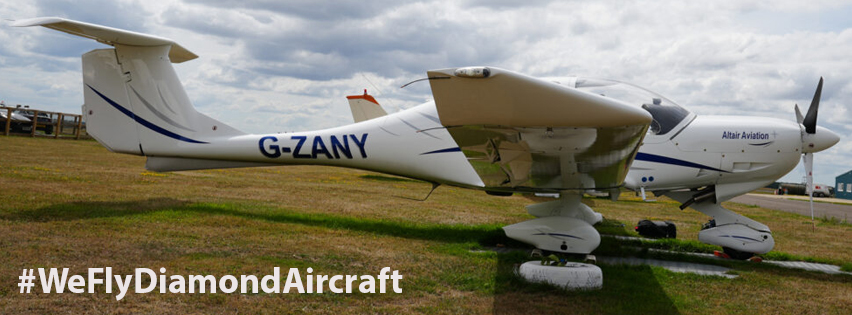
The aircraft is a DA40 TDI, which uses a Thielert “Centurion” 135 hp (101 kW) diesel engine and burns diesel or jet fuel. It has a constant-speed propeller and FADEC (single lever) engine control. G-ZANY is based at Stapleford Aerodrome, Essex, UK and was delivered as new in 2003.
Read more about the aircraft on the dedicated page
Supporting the YouTube Channel –

Support the YouTube Channel –
Welcome to The FLYING VLOG…
I am a current PPL(A), SEP (LAND), IR(A) SE/SP PBN, IR(R) & Night holder. Flying around the world, exploring its hidden treasures. Taking pictures and vlogging the journey, I hope I can provide you with an oversight of my progression as I develop my skillset and airmanship in exclusive videos on my YouTube channel.
Now flying IFR in the Airways of Europe & beyond. Bringing you an exclusive niche on YouTube, flying in the same skies as commercial airliners.
1 Comment
Join the discussion and tell us your opinion.
This was such a beautiful read and also full of important lessons which I believe will help some of us who are on our flying journey. Thank you Robbie and Vanessa for taking us all along your adventure through this well penned write up.